
About / Legacy Sales Engineering
Shawn Derrick, 25 years at the kitchen table
Legacy Sales Engineering is Shawn Derrick and a small team in North Central Florida. We install a sales process into home service companies so winning work stops depending on one gifted talker having a good week.
Legacy Sales Engineering is a sales and marketing firm owned by Shawn Derrick and operating as Derrick Ventures LLC. Shawn has 25 years of sales experience, much of it earned in person at the kitchen table. The company installs a seven-step sales framework into home service contractors across North Central Florida and the United States. Call (352) 612-3327
Who is Shawn Derrick?
I am Shawn Derrick, and this company is mine. Derrick Ventures LLC is the name on the paperwork. Legacy Sales Engineering is the name on the truck. I have spent 25 years in sales, and most of what I know did not come out of a book. It came from sitting at kitchen tables with a folder in my lap while two people looked at each other and tried to decide whether they could afford to fix the thing that had just broken.
I have been the one who says the number out loud and then stays quiet. I have driven home from a house where I did everything right and lost the job anyway, and from a house where I did nothing clever and won it because I was the only person all week who actually listened.
Along the way I have trained and overseen sales teams in solar, roofing, windows, home security, water filtration and remodeling, and those teams have produced more than $500 million in revenue. Before it was Legacy Sales Engineering, this company operated as Derrick Digital.
Why I built this company
Somewhere in those years I stopped thinking of selling as a personality trait. Good salespeople are not born loud. They are running a sequence, whether or not they can name it. Once you can name the sequence, you can hand it to a quiet HVAC tech who would rather crawl through an attic in July than talk about money, and inside a season he will outperform the loud guy coasting on charm.
That is what this company does. I take the process living inside an owner’s head, the one he executes perfectly and cannot explain, and turn it into something his team can run on a Tuesday when he is not there.
What does sales engineering actually mean?
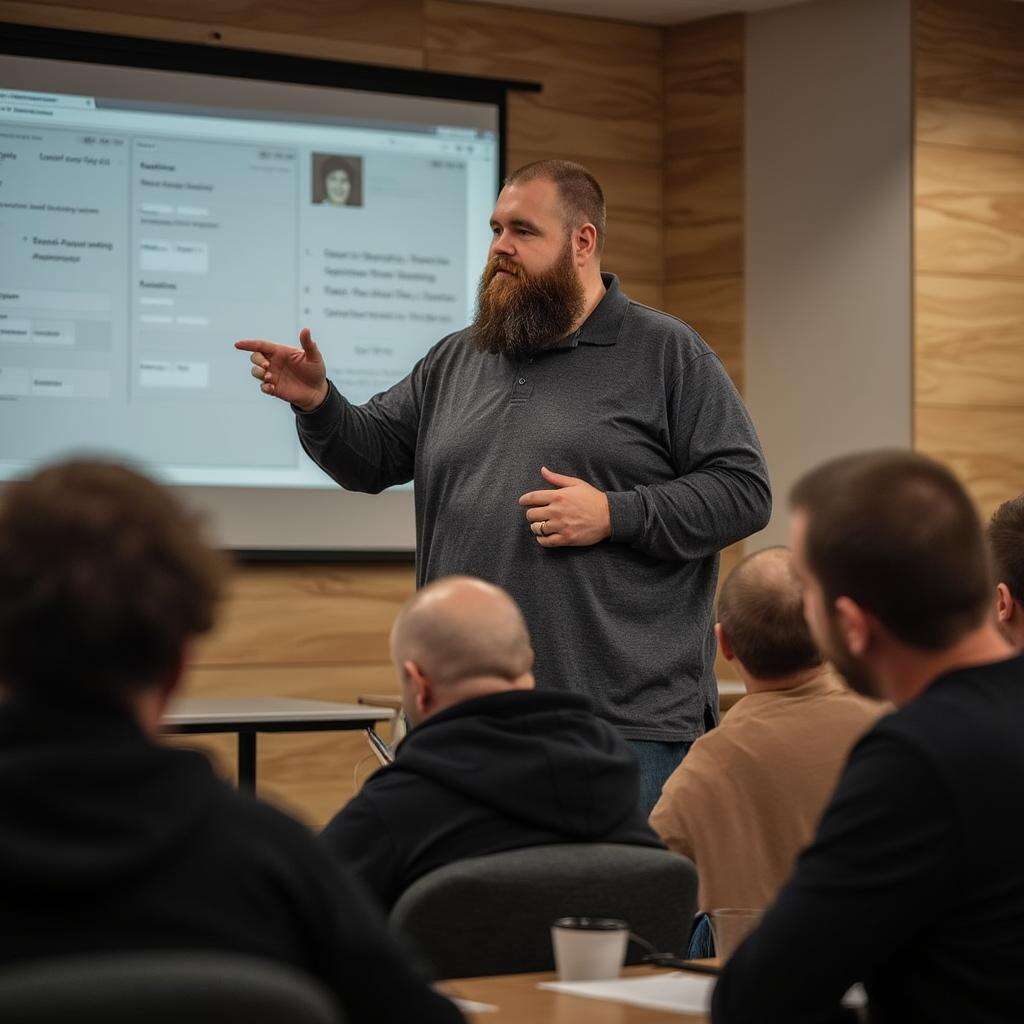
Engineering is not a dressed-up word for selling. It is close to the opposite of how most contractors sell. An engineer looks at a system, finds the place where it fails, and changes the system so it stops failing there. He does not stand next to a broken machine and tell it to try harder.
Most sales advice does exactly that. It tells a team to want it more and get up earlier. That feels good on Monday and is gone by Thursday, because nothing in the business changed. The lead still sits for six hours before anyone calls back. The estimate still goes out as a bare number. Follow-up still happens only when somebody remembers.
A process gets built, not motivated
So we build the thing instead. We write the questions your team asks, in the order they ask them, in the words your customers actually use. We decide what happens in the first five minutes of a call, and what happens when a homeowner says she wants to think about it. We put that in your CRM so the next step is already waiting instead of depending on memory. Then we run it with your people until it holds up on a bad day. See what we build.
Why do agencies hand you a lead and walk away?
Because that is where their scoreboard ends. An agency is measured on leads delivered and cost per lead. The moment your phone rings their work is finished and their invoice is justified. What happens in the ninety seconds after you pick up belongs to somebody else, and nobody there has ever sat in a customer’s living room to learn what those ninety seconds require.
So contractors keep buying more leads to fix a problem more leads cannot fix. If your team turns two out of ten into jobs, doubling the leads doubles the wasted ones along with the good ones. You pay twice as much to be disappointed on a larger scale, then you blame the lead quality.
We own what happens after the lead
We do the marketing, and we own what happens after it. We built the site, ran the ads, put the lead in the CRM, and also trained the person who answers it and wrote the follow-up that chases it. There is nowhere for us to hand the problem off, which is the point. That is why the full stack is one program rather than a menu of parts that never meet in the middle.
How does working with us actually go?
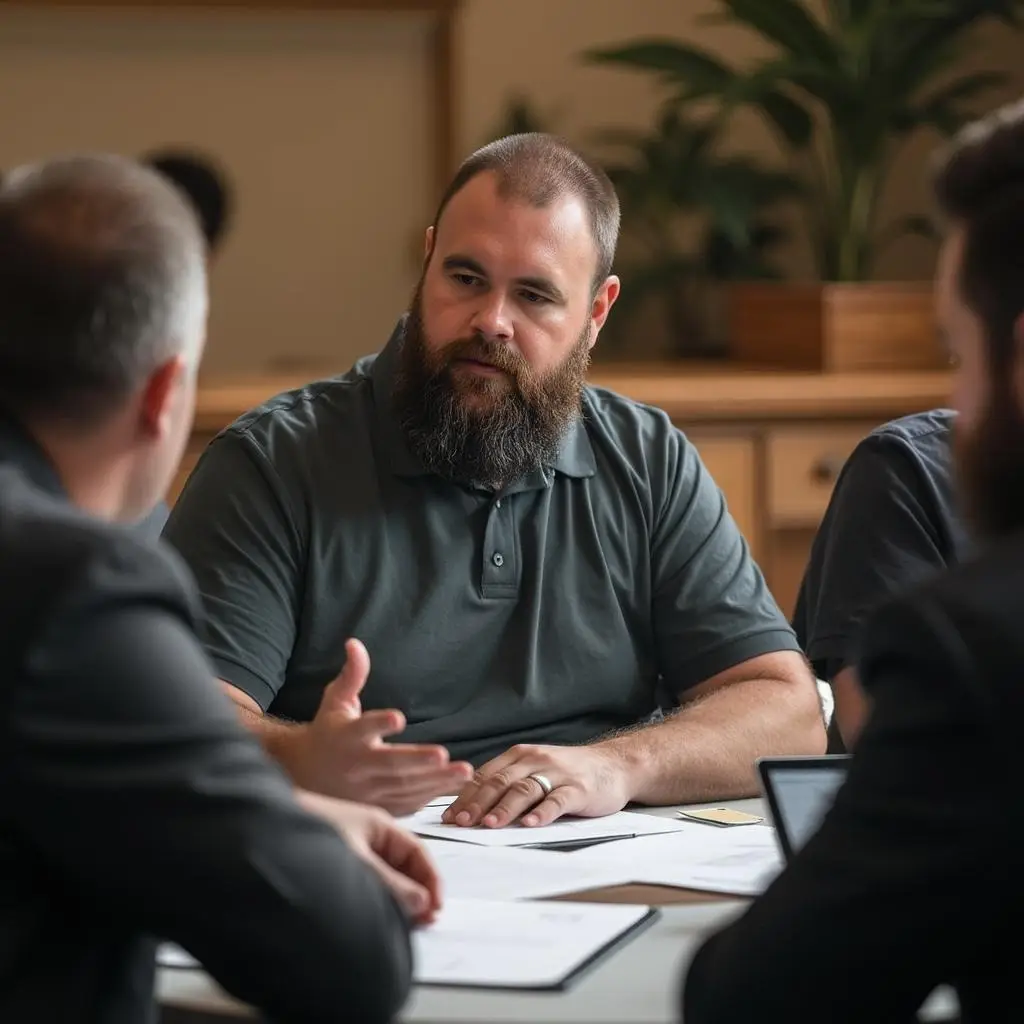
Three phases. No binder, no certificate, no motivational weekend.
We learn your business before we touch anything
A recorded interview, then time around the people doing the work. What you install, what you charge for, where jobs quietly die. We write down how your customers describe the problem in their own words, because that language belongs in the questions and no outsider can invent it.
We build the process and install it
The seven steps do not change. The wording does. A chimney conversation and a flooring conversation share a structure but not a vocabulary. We write your version, then put it where the work happens: the website, the CRM, the phones, the follow-up. A process that only lives in a document has not been installed.
We stay in the room until it holds without us
Role play, recorded call review, ride-alongs where the customer is real and the correction happens the same day. This is the part almost every program skips and the only part that changes anything. We are finished when the sequence survives a rude homeowner and a late truck.
Why do good tradesmen lose to faster phones?
This bothers me more than anything else in the trade, and it is a large piece of why I do this work. The best chimney technician in the county loses jobs every week to a company that does sloppier work, and the reason has nothing to do with chimneys. The other company answered on the second ring. He was on a roof and called back at seven that evening.
Homeowners are not grading craftsmanship when they choose, because they cannot see craftsmanship yet. They grade what it feels like to try to hire you. Speed reads as competence. Silence reads as risk. That is not fair to a good tradesman, but it is true in every market I have worked in.
An estimate starts a conversation, not the close
The same mistake shows up at the other end of the job. A number gets emailed over and the contractor treats sending it as finishing. From where the homeowner sits, a bare number is only a price to compare against another price, so she goes and gets another price. That is not a customer being cheap. That is a customer given nothing else to judge. An estimate should open a conversation about what the person is trying to protect, and that is a habit a team can be taught.
What do we believe?
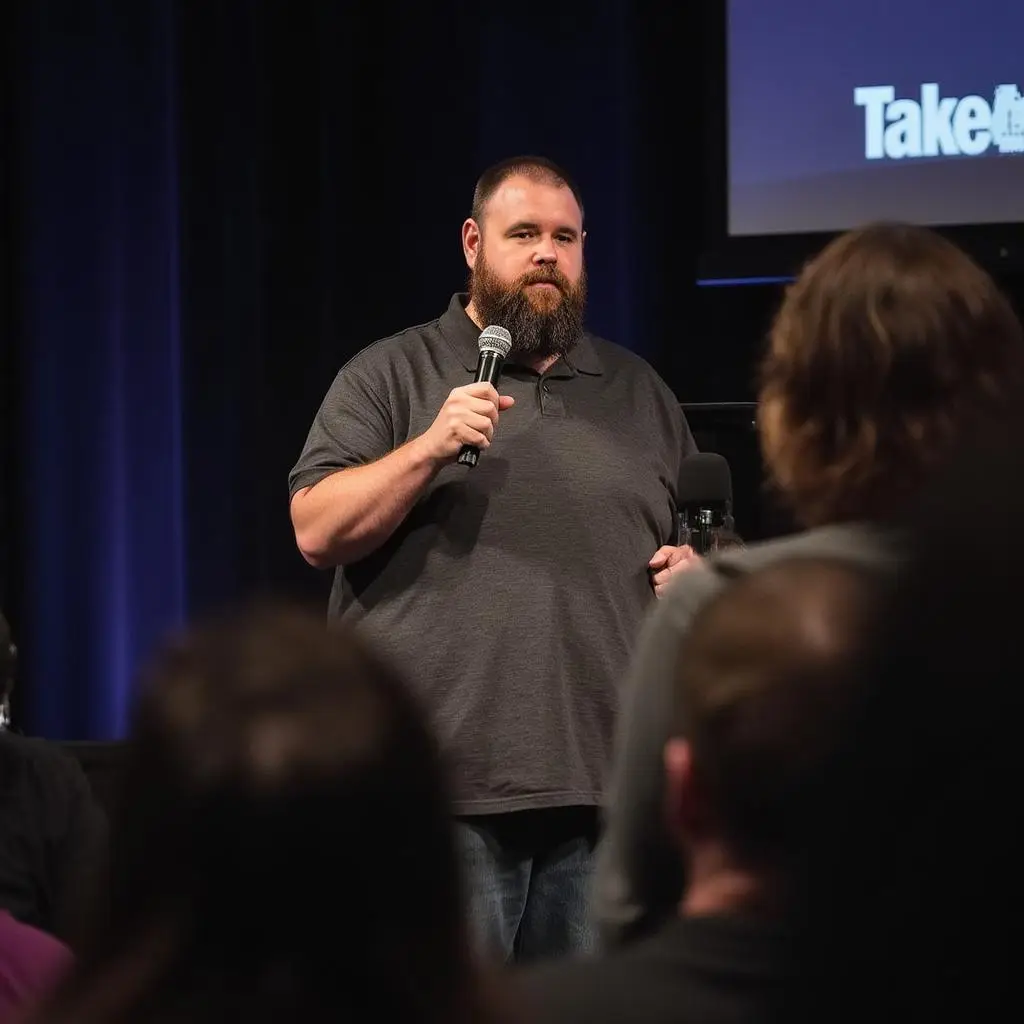
Everything here runs on one line: stop selling, start solving. It is the tagline and it is also the instruction. If you walk into a house intending to sell something, the customer feels it before you finish saying hello. If you walk in to find out what is wrong and what it is costing them, the sale takes care of itself far more often than most owners expect.
The beliefs underneath the method
- You get what you want by helping enough other people get what they want. That is Zig Ziglar, and it sits under every one of our seven steps.
- Questions do more work than pitches. The framework is built on Solution Based Questions and the NEPQ approach, so the homeowner talks more than your technician does.
- Sometimes the honest recommendation is the smaller job, and your technician should be free to say so. Pressure creates callbacks, refunds, and reviews you get to read for years.
- Nobody buys from a company they cannot reach. Response time is a sales skill, not an office chore.
- An owner who cannot leave for a week does not own a company. He owns a job that happens to have employees.
Why do I train in the room instead of selling a course?
I could record the seven steps one time, put a price on the file, and sell it while I sleep. Plenty of people do exactly that and it is a fine business. I do not, and the reason is simple. I have never watched a video change what a person says while standing in a customer’s living room.
Skills do not transfer by watching. They transfer by doing the thing badly in front of someone who can stop you, tell you what just happened, and make you do it again. That takes a person in the room. It takes me hearing your estimator ask a good question in the wrong tone and fixing it right then, before he carries it to a real homeowner and it costs him a real job.
What that looks like in practice
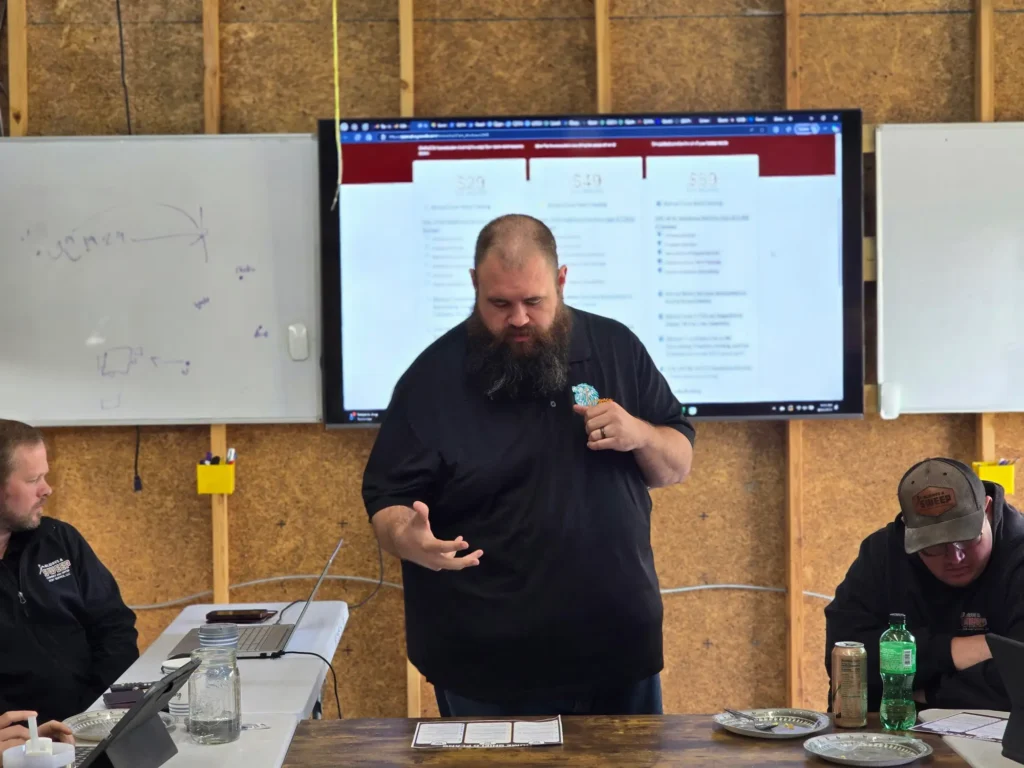
Role play that gets uncomfortable on purpose. Recorded call reviews where we stop the tape at the sentence that lost the job. Ride-alongs. Sitting in your office listening to how the phone actually gets answered. I would rather do work that lands for a handful of contractors than sell a video to a thousand, which is also why onboarding is capped. Sales training and our other training programs run on my calendar, not on a server.
Who do we work with, and where?
We work with home service contractors: HVAC, chimney, flooring, gutters, power washing, commercial cleaning, and the trades next to them. If a customer decides while your technician is standing in front of her, the framework applies. We are based in Hawthorne and Ocala in North Central Florida and work with clients across the United States. The phone is answered Monday through Saturday, 9am to 8pm.
The tools we run
WordPress and Elementor for the website, Rank Math and Search Atlas for search, and WeekendCRM, our white-labelled build of GoHighLevel, for the pipeline, the follow-up, and the phones. We run the same stack on every client, so nothing gets built in a place only one person knows how to fix.
Work you can look at
Always Fire and Gas, formerly Always A Sweep, is ours from the name up. We did the complete rebrand: the identity, the site, and the process running behind it. If you want to see what a rebrand looks like when it is done alongside the sales process instead of separately from it, that is the one to ask me about. Branding covers that work.
The rest of the family
I run the Legacy Builders Mastermind, an accountability group for small business owners who are tired of being the only person holding them to anything. Emily Derrick runs Brick City Branding, which handles visual branding and promotional products. Lifting Legacies is the workbook written for entrepreneurs.
What the full program costs
The Full Stack is $4,995 per month on a twelve month agreement that renews for a further twelve. We onboard two new clients per month, which is not a marketing tactic. It is how many engagements I can personally be in the room for, so there is usually a waitlist. The full stack has the detail and services lists the pieces.
What do clients say about working with Shawn?
Owners who have worked with Legacy Sales Engineering on their sales process and marketing.
-
Client
“The team at Legacy Sales Engineering has helped take our businesses to the next level.”
Joshua Brosius
-
Client
“Shawn is articulate, eloquent and extremely talented in so many ways. He has a customer focus perception of how business is done. We are so happy to have found him and look forward to using them for other services. Highly recommend.”
Gus Blanco
-
Client
“He has already been extremely helpful and insightful when it comes to [marketing] and digital footprints. His knowledge and expertise of his field is unmatched!”
Shawn Hughes
Frequently asked questions
Who is Shawn Derrick?
Shawn Derrick is the owner of Derrick Ventures LLC, which does business as Legacy Sales Engineering. He has 25 years of sales experience, much of it selling in person in customers' homes at the kitchen table. He works out of Hawthorne and Ocala in North Central Florida and runs the Legacy Builders Mastermind for small business owners.
What does sales engineering mean?
It means treating selling as a system to be built rather than a talent to be found. We look at where a company loses jobs, then design and install a process that stops the loss: the questions, the order they get asked in, the follow-up, and the tools that carry it. We engineer the process instead of motivating the person.
Do you only work with Florida contractors?
No. In-person work is concentrated around Hawthorne and Ocala in North Central Florida, and we have clients across the United States. Remote engagements run on live video sessions, recorded call reviews, role play, and question sets written for your trade. Call (352) 612-3327 and we will tell you honestly whether distance is a problem.
What makes you different from a marketing agency?
An agency is paid to deliver leads, so its job ends when your phone rings. Ours starts there. We build the website and run the marketing, and we also train the people who answer, write the follow-up sequence, and stay in the room while your team learns the framework. If the lead arrives and the job still does not close, that is ours to fix.
What does Stop Selling. Start Solving. mean?
It means walking into a customer's home to find out what is wrong and what it is costing them, instead of walking in to move a product. The framework is built on Solution Based Questions and the NEPQ approach, with Zig Ziglar's posture underneath it: you get what you want by helping enough other people get what they want. Sometimes the honest answer is the smaller job.
Want to talk about your company?
The first conversation is not a pitch. I want to hear what your business does, where the jobs are dying, and what you have already tried that did not work. If we are not the right fit I would rather tell you on that call than three months into an agreement. If we are, I will walk you through what the first ninety days look like before you sign anything.
Call (352) 612 3327 or email service@liftinglegacies.com. I take calls Monday through Saturday, 9am to 8pm.