
Remodeling sales training
Remodeling Sales Training That Signs Projects Without Giving Away Free Design
Your designers can walk a kitchen and see the finished room before the homeowner finishes describing it. What nobody taught them is how to run the weeks between that first visit and a signed contract: the budget talk, the spouse who missed the first meeting, the three competing bids and the plans that get shopped. This training gives your team one sequence for all of it.
Thirty minutes, no pitch deck. If training isn’t your problem, we’ll tell you.
Remodeling sales training teaches the designers, project consultants and estimators in a remodeling company one repeatable process: qualify the project and the budget early, run a real design consultation, present options honestly, handle competing bids without cutting the price and manage change orders cleanly. Legacy Sales Engineering trains remodeling teams on real appointments, for remodelers and home repair companies in Florida and nationwide.
Why do good remodeling designers lose projects they should win?

Most remodeling projects are lost before the design is finished. The designer spends two visits and a weekend on plans, the budget conversation never really happens, and the proposal lands well above what the homeowner had in mind. Now the homeowner has a beautiful plan and a reason to shop it. Houzz found the median renovation spend in 2025 was $20,000, while the top 10 percent of renovating homeowners spent $150,000 or more. A team that cannot tell which project it is looking at on the first visit wastes time at both ends.
Inside most remodeling companies it looks the same. The owner closes the big kitchens because the owner knows how to talk about money, and everyone else runs pleasant meetings that end with “we’ll think about it.” Proposals sit for weeks with no follow-up. When a project does sign, loose scope turns into change orders the homeowner did not expect and a review nobody wanted. That is a process problem, and a process can be taught.
Sources: 2026 U.S. Houzz and Home Study (2025 spending); Harvard Joint Center for Housing Studies, Leading Indicator of Remodeling Activity (July 2026); Invoca home services call data (2024).
What does remodeling sales training teach?
Our seven-step framework is the same sequence we teach every trade in our sales training for contractors, rewritten for remodeling, from a one-day repair to a full kitchen. The order matters more than any single line, because each step earns the right to the next.
We also teach designers to read which kind of buyer is sitting at the table and change pace to match. The engineer who wants the cabinet specs and the couple who just want a kitchen they can cook in together need the same project presented two different ways. See the four buyer types. If the problem is lead flow, start with our remodeling marketing.
01Qualify the project before anyone drives out
Project type, timing, budget range and every decision maker, asked on the first call. Most "we need to think about it" projects are lost at booking, not at the proposal. More on one-legger appointments.
02Earn trust before the tape measure comes out
Ten minutes at the kitchen table first: what bothers them about the space, how they use it, what they have already tried and how long they plan to stay in the house.
03Diagnose with Solution Based Questions
Find what the homeowner actually cares about, whether that is room for the grandkids, aging in place or resale in five years, before you say a word about cabinets or tile.
04Talk about the budget early and honestly
Share realistic ranges for projects like theirs and agree on a working number before design begins. Design to a budget you both agreed on and the proposal stops being a surprise.
05Present options and protect the design work
Show good, better and best tied to what they told you, with the monthly payment next to the total, and ask for a design agreement or a signed contract before full plans leave the building. See high-ticket home service sales.
06Ask for the decision, then stop talking
The silence after the number is where designers start cutting scope or offering discounts nobody asked for.
07Follow up and manage change orders with a system
A recap after every meeting, a follow-up cadence in the CRM for open proposals and a clear change order process once the job starts, so no project depends on somebody's memory. That is our lead engagement work.
Why does remodeling need a different sales process than one-visit trades?
The sale takes several meetings
A water heater gets sold in one visit. A kitchen takes a first meeting, measurements, selections, a design review and a proposal, often over several weeks. Each meeting needs its own goal and its own agreement on the next step, or the project drifts. We train designers to end every meeting with a clear next step on the calendar, so the homeowner never has to decide alone whether to keep going.
Change orders are part of the sale
The way a project is sold decides how it goes once the crew arrives. Loose scope, vague allowances and verbal promises turn into change orders the homeowner did not expect, and a good project becomes a bad review. We teach teams to write tight scopes, explain allowances plainly and walk homeowners through the change order process before they sign, so the price they agreed to is the price they remember.
How is handyman and repair selling different from design-build selling?
Small jobs need speed and trust
A repair customer wants someone who shows up on time, explains the price clearly and does clean work. The sale is short, but it is often the audition for a larger project later. We train repair technicians to do the job well, mention what else they noticed without pressure and hand larger opportunities to a designer with notes, so the homeowner feels one company from the first repair to the finished remodel.
Design-build needs a process the owner does not have to run
Most remodeling owners still close the largest projects themselves, because they are the only ones comfortable talking about money and scope. We build a process your designers and project consultants can run without you in the room. If you are still the only one selling, one-on-one coaching may be the better place to start.
How is this different from a generic sales course?
Plenty of good programs exist, and some companies are well served by a course or a video library. Here is the honest difference, so you can pick the right fit.
| Legacy Sales Engineering | Typical sales course | |
|---|---|---|
| Where training happens | Your showroom, ride-alongs and live consultations | Video library, webinars or a hotel ballroom |
| Whose words | Your products, allowances, warranties, prices and objections | Generic scripts written for every trade |
| What it covers | Qualifying, budget talks, design agreements, follow-up and change orders | Closing techniques for a single meeting |
| How long we stay | Until close rates hold across a full sales cycle | One event, then you are on your own |
| Pricing | By engagement, number on the first call | Per-seat licenses or annual dues |
| Straight answers | We tell you if you do not need us yet | Everyone is a fit |
How does a remodeling sales training engagement work?
We ride along and get your baseline
It starts with a free thirty-minute evaluation call, then ride-alongs and recorded consultations. We track consultations run, close rate by lead source and project type, average project size, time from first meeting to contract and how long proposals sit. You see the numbers before anything changes.
We install the sequence in your language
The seven steps stay the same. The wording is yours: your cabinet and fixture lines, your design agreement, your warranty, your financing partner and the objections your designers actually hear. We role play them until they come out in your team's own words.
We coach on live appointments until it holds
We ride along, review recordings and fix the one habit that costs the most, then the next one. When the sequence survives a long sales cycle and a homeowner holding two cheaper bids, it belongs to your team.
What does it cost to leave your remodeling sales process alone?
Nothing dramatic happens, and that is the problem. Take an example company running 20 design consultations a month at an example average project of $45,000. Moving the close rate from 20 to 30 percent is two more projects and about $90,000 in monthly sales from leads you already paid for. These numbers are illustrative, not a client result. Leave it alone and that money keeps leaving one shopped plan at a time, while the marketing budget takes the blame.
What it looks like done right
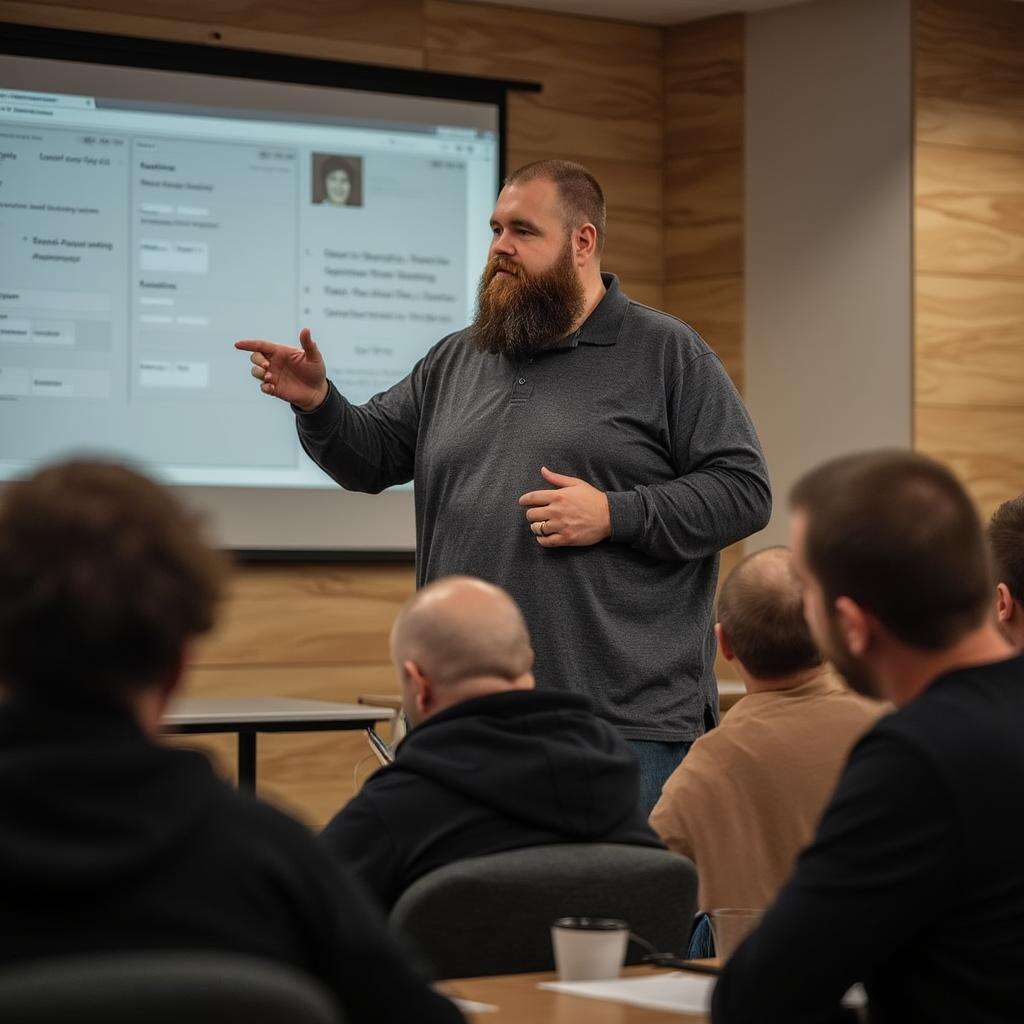
Every designer runs the same consultation process.
Budgets get discussed before design starts, not after.
Proposals get signed or followed up on schedule instead of shopped.
Homeowners know how change orders work before the crew arrives.

Who will be training your remodeling team?
Shawn Derrick founded Legacy Sales Engineering after 25 years in sales, much of it in customers’ homes. He has trained and overseen sales teams that generated more than $500 million in revenue across solar, roofing, windows, home security and remodeling. Remodeling is one of the trades where he led sales teams himself. The framework your team learns came out of appointments he ran himself: Solution Based Questions, the NEPQ approach, and Zig Ziglar’s rule that you get what you want by helping enough other people get what they want. Stop selling. Start solving.
Is remodeling sales training the right fit for your company?
It is probably a good fit if
- Two or more people run design consultations or estimates
- Your close rate swings widely from designer to designer
- Proposals sit for weeks before anyone follows up
- Only the owner can close the largest projects
It is not the right first move if
- The phone isn’t ringing. Fix lead flow first with our remodeling marketing, and we will say so on the call.
- You are the only one selling. Start with one-on-one coaching, then train the team you hire.
Remodeling sales training questions owners ask before they book
What is remodeling sales training?
It teaches designers, project consultants and estimators a repeatable process: qualify the project and budget early, run a real consultation, present options honestly, handle competing bids without cutting the price and manage change orders cleanly. Ours is delivered in your office and on live appointments, not through a video course.
How should a designer bring up the budget?
Early and plainly, before design starts. Share realistic ranges for projects like theirs, ask where they are comfortable and agree on a working number. Homeowners are rarely offended by an honest range. They are offended by a proposal twice what they expected after three meetings.
Should remodelers charge for design?
Many do, and a paid design agreement is one of the clearest ways to find out who is serious and to keep your plans from being shopped. We help you decide how to present it, when to credit it toward the project and how to handle homeowners who push back.
How should a designer handle "we are getting three bids"?
Welcome it, then give the homeowner a way to compare that is not only the total: scope, allowances, materials, timeline, warranty and who manages the job. The designer who helps a homeowner compare bids fairly usually becomes the bid they trust.
Do you train handyman and repair teams too?
Yes. Repair technicians need a shorter conversation: clear pricing, clean work and a no-pressure mention of anything else they noticed. We also train the handoff from repair to design, so larger opportunities reach a designer with notes instead of getting lost.
How much does remodeling sales training cost?
We price by engagement, not per seat, and we tell you the number on the first call. The evaluation call is free, and if training isn't the right first move, you will hear that on the call. Most engagements combine on-site training, ride-alongs and follow-up coaching, sized to your team.
Do you train remodeling teams outside Florida?
Yes. In-person training is concentrated in North Central Florida, and we travel for larger teams. Ride-along reviews, role play and follow-up coaching run remotely for remodeling and home repair companies anywhere in the US, and we work around your consultation calendar.
Let's find where your remodeling proposals are leaking
Thirty minutes, no pitch deck. We’ll look at your close rate by lead source and project type, average project size and open proposals and tell you plainly what we would fix first, even if the answer is that you don’t need us yet.
ask for Shawn. You can also email service@liftinglegacies.com. Stop Selling. Start Solving.
Not ready to talk? See how our sales training for contractors works.