
Team training for home service contractors
Team sales training for contractor crews
Right now, what your company feels like to a homeowner depends on which truck pulls up. One of your people asks good questions. Another hands over a number and heads for the van. Same price book, same trade, two completely different visits.
Our contractor sales training fixes that by putting your whole crew on one seven-step process. We deliver it virtually or in person, to home service companies in all 50 states.
Legacy Sales Engineering trains a contractor’s whole crew, estimators, service techs and comfort advisors, to run one shared sales process on every visit. The program is built on Solution Based Questions, buyer types and a seven-step framework drawn from founder Shawn Derrick’s 25 years selling at the kitchen table. Training is quoted after a free evaluation.
Why does every estimator sell differently?

Nobody on your crew is doing it wrong on purpose. Each of them was left to work out the visit alone, so each of them built a different visit.
Your strongest estimator has a sequence. He probably could not write it down, but he runs it on every call, and it is the reason his numbers look the way they do. Everyone else rode along for a week and copied the parts they could see.
The parts they could not see are the ones that matter. The order of the questions. The silence after the price. How he decides which option to put first. All of that sits in one man’s head, and it leaves when he does.
So two of your people quote the same job at the same number, and only one of them comes back with a signature. You paid the same for both of those leads.
Owners usually misread this as effort
The instinct is a bonus plan or a louder Monday meeting. A bonus rewards the person who already has a sequence and does nothing for the four people who do not. What those four need is the sequence itself, written down, in the language of the work you sell.
Where contractors lose jobs they already earned
Four things quietly cost you jobs you already earned.
01The visit opens with a diagnosis
Your tech walks in, finds the fault and starts explaining it. The homeowner has not said a word yet about what they actually want, so the recommendation gets built out of parts instead of out of people.
02Nobody asks what it is costing them
The bedroom nobody can sleep in. The bill that jumped in July. The noise that wakes the baby. Until a customer says those things out loud, the price has nothing to sit against, and every number sounds high.
03Options get read out like a menu
Three tiers, three prices, and the homeowner left to sort it out on their own. That turns a service call into a negotiation and puts your person on the wrong side of the table.
04The room goes quiet after the price
Silence is the most useful thing in the whole visit and the hardest to sit still inside. Untrained people fill it, and what they usually fill it with is a discount nobody asked for.
05"I need to think about it" ends it
That sentence is hardly ever about thinking. It is money, or somebody who is not home, or one piece of the recommendation that did not land. A calm question finds out which. A price cut never does.
06Follow-up runs on who remembers
One estimator calls twice. Another calls seven times in nine days. A third never calls at all. The quotes that sat closest to a yes are usually the ones that go cold most quietly.
What does your crew actually learn?
One methodology, rebuilt in the vocabulary of your trade, so your people leave holding questions they can ask on tomorrow’s first call.
A crew that asks better questions does not need better closing lines. By then there is nothing left to close.
Shawn Derrick
Legacy Sales Engineering
Solution Based Questions
The engine of the framework is a question set that gets the homeowner describing their own situation out loud. How long it has been going on, what they already tried, who else in the house it bothers, and what they want the place to feel like once it is fixed.
Anyone trusts their own words more than a stranger’s. Once a customer has laid the problem out themselves, your recommendation reads as a summary of what they just said instead of something being pushed across the table at them.
Reading the buyer in front of you
The same questions land differently on somebody who wants every specification and somebody who wants it handled by Friday. Your crew learns to place which buyer they are sitting with in the first few minutes, then adjusts the pace and the detail. Never the honesty.
Seven steps, in your words
The framework itself does not change from company to company. The wording does. A rooftop changeout and a gutter run share a structure and share almost no vocabulary, so the steps get rewritten around the jobs already on your board.
Options tied to what they told you
If the customer said the back bedroom never gets warm, the middle option exists because of that bedroom, and your person says so out loud. Framed that way, nothing is being upsold. You are handing back what they told you, priced. That is a choice they can defend to a spouse later without help.
A follow-up rhythm anyone can keep
Short, specific contact that references what the customer actually said, on a schedule the whole crew uses. Not seven calls in nine days, and not silence.
What does your crew actually learn?
One methodology, rebuilt in the vocabulary of your trade, so your people leave holding questions they can ask on tomorrow’s first call.
7
Steps every person on the crew runs
Solution Based Questions
The engine of the framework is a question set that gets the homeowner describing their own situation out loud. How long it has been going on, what they already tried, who else in the house it bothers, and what they want the place to feel like once it is fixed.
Anyone trusts their own words more than a stranger’s. Once a customer has laid the problem out themselves, your recommendation reads as a summary of what they just said instead of something being pushed across the table at them.
Reading the buyer in front of you
The same questions land differently on somebody who wants every specification and somebody who wants it handled by Friday. Your crew learns to place which buyer they are sitting with in the first few minutes, then adjusts the pace and the detail. Never the honesty.
Seven steps, in your words
The framework itself does not change from company to company. The wording does. A rooftop changeout and a gutter run share a structure and share almost no vocabulary, so the steps get rewritten around the jobs already on your board.
Options tied to what they told you
If the customer said the back bedroom never gets warm, the middle option exists because of that bedroom, and your person says so out loud. Framed that way, nothing is being upsold. You are handing back what they told you, priced. That is a choice they can defend to a spouse later without help.
A follow-up rhythm anyone can keep
Short, specific contact that references what the customer actually said, on a schedule the whole crew uses. Not seven calls in nine days, and not silence.
A crew that asks better questions does not need better closing lines. By then there is nothing left to close.
Shawn Derrick
Legacy Sales Engineering

Who on your team should be in the room?
Anybody who talks to a customer about money. That is usually a wider list than an owner expects when they first call us.
The people quoting the work
They know the trade cold and go quiet the moment the conversation turns to money. Hand a willing person the sequence and the effort they were already spending starts turning into signed work orders.
The ones asked to recommend
A tech took this job to fix things and is now graded on something nobody ever taught him. He is not resisting sales. He is avoiding the two minutes of the visit he has no plan for.
The ones who only sell
Full-time sellers tend to have the most habits to unlearn and the most ground to gain. The framework swaps the closing tricks they picked up somewhere else for questions they can ask without flinching.
You, in the same sessions
If you do not know the sequence yourself, the coaching stops the day we leave. When you do know it, every call you sit in on afterward reinforces it, and your next hire gets taught instead of guessing.
How does a team engagement run?
Three phases, built around the work you already have booked. No binder nobody opens, no certificate, no hotel ballroom.
We learn how you sell
A call first, then time with your people. What you install, what you charge for, where the deals stall, and what your crew is genuinely saying on site.
We listen for how your customers describe the problem in their own words, because that language belongs inside the questions we build.
We rebuild it in your trade
The seven steps stay. The wording gets rewritten around the jobs on your board, and each role gets the version of the visit they actually run.
Your crew walks out with questions written for tomorrow, not a generic script they have to translate on the way to the door.
We run reps until it holds
Role play, call review, and coaching on real work, with the correction happening while the details are still fresh. This is the part most programs skip.
We keep going until the sequence survives a bad day, a rude customer, and a tech who is running forty minutes late.
What changes when everyone runs it?
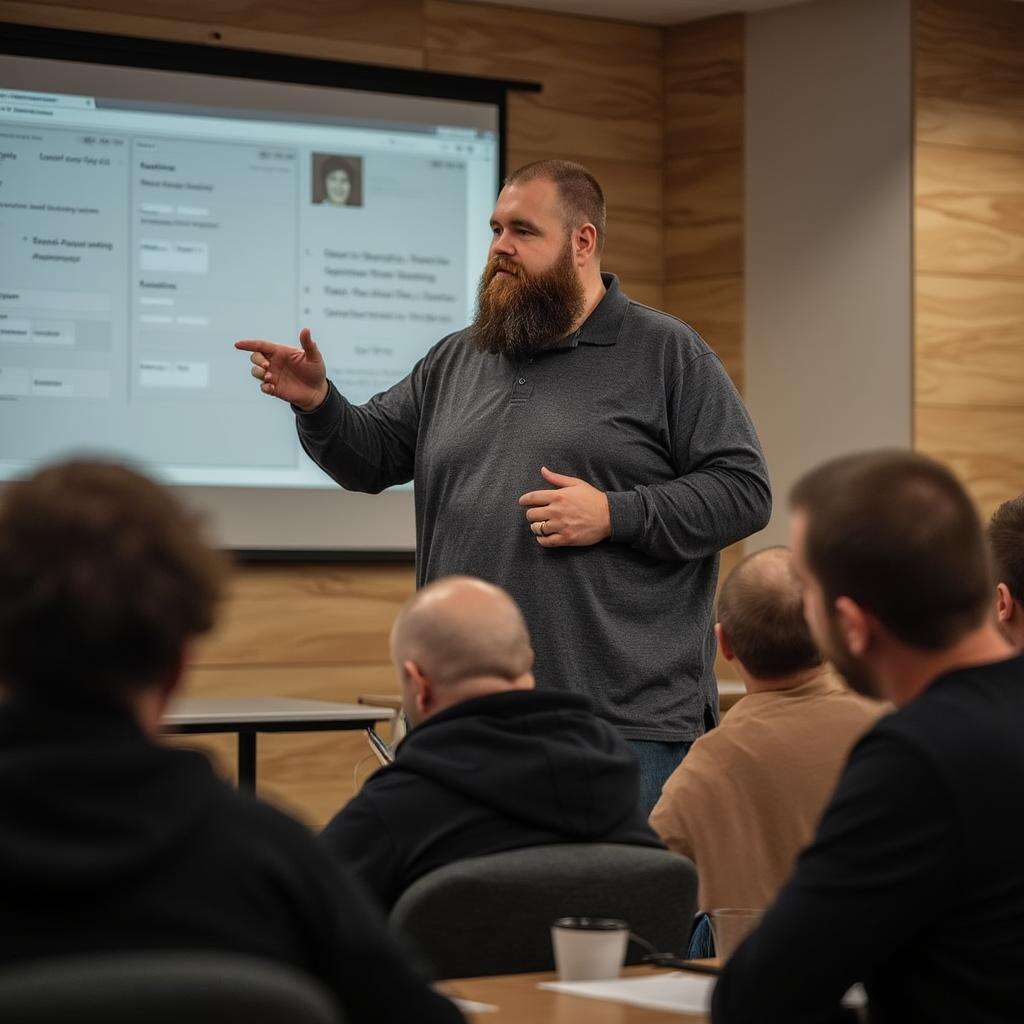
What this looks like when it lands is quieter than most sales pitches promise. Your estimators walk in knowing how the next forty minutes goes, and the visit stops feeling like a performance to everybody in the room.
Fewer homeowners go looking for a third bid, because nothing about your appointment felt like the two they already sat through. Price still matters. It just stops being the only thing anyone has to talk about.
And the sequence stops being one man’s private property. Hire for attitude and trade skill, then hand the new person a process on day one rather than hoping they shadow the right veteran in their first month.
What owners tell us they notice first
01
Two different people run the same call and it sounds like the same company.
02
The last five minutes of a visit stop producing surprise discounts.
03
Every open quote has a next contact date attached to it.
04
Fewer angry callbacks, because nobody was sold work they did not need.
05
You are no longer the only person who can save a job going sideways.
If a crew is not what you have yet
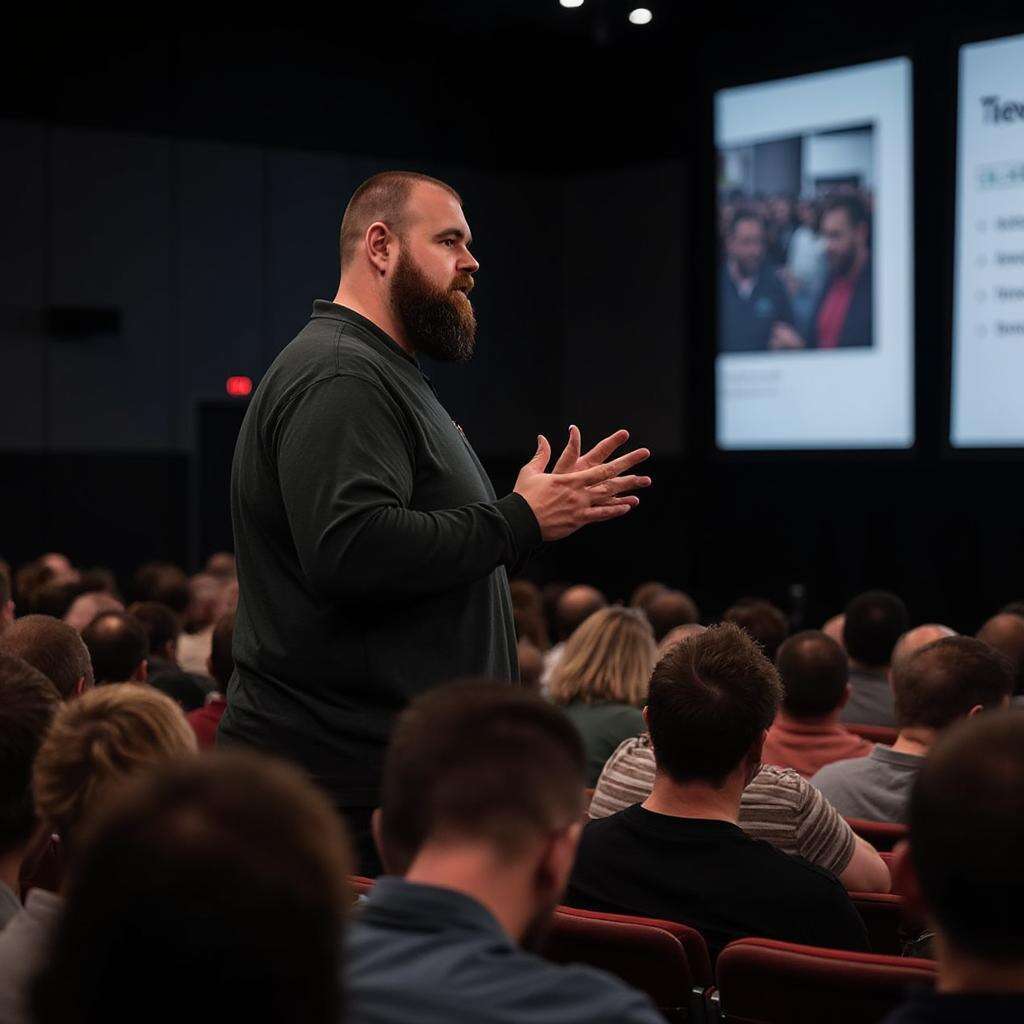
If you are the only person quoting work, team training is the wrong purchase and we will say so. One-on-one coaching moves your number faster. If you want a working session for a room full of contractors at an event, that is keynote speaking. All three sit together on the training hub.
Training the crew and filling their calendar are two separate problems. If the phone goes unanswered or leads sit overnight, start with lead engagement and a CRM built for your workflow. Everything we do together is the Full Stack.
Questions owners ask about team training
Does team sales training work if my crew is only three people?
Yes. The problem team training fixes is that every person runs a different visit, and three people is more than enough for that to cost you real work. Smaller groups often move faster, because the whole company can change a habit in the same week.
Will my technicians actually use it, or does it fade in a week?
They use it when the language belongs to them and the coaching keeps going past the first session. That is why the questions get rebuilt around your trade and why we run reps on real work instead of handing out a script. Techs resist scripts. They rarely resist a sequence that makes the awkward part of their day easier.
How much does team sales training for contractors cost?
We quote it after the free evaluation, once we know who is being trained and how much gets rebuilt in the language of your trade. Posting a number here would be wrong for most of the companies who read it. The evaluation itself costs nothing.
Does this only work for HVAC companies?
No. The seven-step framework and Solution Based Questions apply anywhere a person quotes work in front of the customer and the customer decides while somebody is standing there. The wording is what changes, and rewriting it for your trade is part of the engagement. See our HVAC comfort advisor sales training and roofing sales training for two trade versions.
Is this pressure selling or a bag of closing tricks?
Neither. The methodology is built on questions, and the whole point is that the homeowner reaches the decision themselves. If the honest recommendation is the smaller repair, that is what your person says. Stop Selling. Start Solving. is meant literally.
My best closer is me. Do I still need to train the crew?
That is usually the strongest reason to. When the owner is the only reliable closer, the business cannot grow past the number of appointments the owner can personally run. Training moves what you already know how to do out of your head and onto every truck.
Start with a free sales evaluation
Bring us your last handful of quoted jobs. We will walk through how each visit ran and show you where the same money keeps leaking out of them.
Everything we spot on that call is yours to use, whether you hire us or not. If the honest answer is that your crew does not need training yet, we will say so and point you at the thing that will help instead.
ask for Shawn. You can also email service@liftinglegacies.com. Stop Selling. Start Solving.