
HVAC comfort advisor sales training
HVAC Comfort Advisor Sales Training That Closes Replacements Without Discounting
Your advisors know the equipment. They can size a system, spot a ductwork problem and explain SEER2 better than anyone in town. What nobody taught them is the conversation that turns a $12,000 recommendation into a signature at the kitchen table. That is what this training fixes: one sequence, run the same way in every house.
Thirty minutes, no pitch deck. If training isn’t your problem, we’ll tell you.
HVAC comfort advisor sales training teaches the people who run your in-home replacement calls one repeatable conversation: diagnose before you quote, present good, better and best in plain language, and handle “we’re getting other quotes” without dropping the price. Legacy Sales Engineering trains comfort advisors in the room and on live calls, for HVAC contractors in Florida and nationwide.
Why do good HVAC comfort advisors lose replacement jobs?

Most replacement calls are lost before the price comes out. The advisor walks in, measures, pulls model numbers and starts presenting equipment. The homeowner hears specs and a number, and the only thing left to compare against the other two bids is the number. Industry data puts the typical in-home replacement close rate between 30 and 50 percent, with top performers above 60. The gap between those two groups is rarely product knowledge. It is the order of the conversation.
It shows up the same way in almost every shop. The owner closes at a high rate and the advisors close at a low one. The owner keeps running the big calls at night, the advisors discount to get anything signed, and proposals sit in inboxes for two weeks until the homeowner goes quiet. You paid for every one of those leads. Watching a $12,000 system walk out because somebody said “let me think about it” is not a marketing problem. It is a process problem, and a process can be taught.
Sources: Service Roundtable and Nexstar Network benchmarks; Angi 2026 cost data; IRS guidance on Section 25C. Replacement cost range shown as $5,000 to $22,000.
What does HVAC comfort advisor sales training teach?
Our seven-step framework is the same sequence we teach every trade, rewritten in the language of a heating and air call. The order matters more than any single line, because each step earns the right to the next.
We also teach advisors to read which kind of buyer is sitting across from them and change pace to match. An engineer who wants the load calculation and a homeowner who just wants the house cool again need the same system presented two different ways. See the four buyer types.
01Book the right appointment
Both decision makers home, a clear time window, and a text from the advisor before arrival. Most "I need to talk to my wife" calls are lost at booking, not at the table. More on one-legger appointments.
02Earn attention before touching the equipment
Five minutes at the table first: what has been happening, for how long, and what they have already tried.
03Diagnose with Solution Based Questions
Hot rooms upstairs, bills that climbed, a unit repaired three times this year. Find the problem the homeowner actually cares about before you inspect anything.
04Inspect with the homeowner, not around them
Show them the rusted coil, the undersized return, the refrigerant question. A photo on the tablet does more than any brochure.
05Present good, better and best as honest options
Tie each tier back to what they told you, and show the monthly payment next to the total. See high-ticket home service sales.
06Ask for the decision, then stop talking
The silence after the number is where most advisors fold and start discounting.
07Follow up on every open proposal with a system
A recap text from the driveway, a scheduled call, and a cadence in the CRM so nothing depends on memory. That is our lead engagement work.
What changed for HVAC replacement sales in 2026?
The 25C tax credit is gone
Two things changed the kitchen-table conversation this year, and untrained advisors are fumbling both. First, the federal Section 25C credit ended for systems placed in service after December 31, 2025. An advisor who still mentions a $2,000 heat pump credit on a 2026 install hands the homeowner a reason to doubt everything else they say. We train advisors to lead with comfort, reliability and operating cost instead, and to point homeowners to the state and utility rebates that still exist.
A2L refrigerants changed the price conversation
Second, the move to A2L refrigerants such as R-454B and R-32 raised equipment prices and brought new questions about older systems. Homeowners with an R-410A unit hear a different story from every contractor who comes out. An advisor who can explain the refrigerant situation in two calm sentences becomes the one company that made sense all week. That is worth more than a lower price.
How is comfort advisor training different from technician sales training?
Techs spot it, advisors sell it
A service technician is trusted because they just fixed something. They need to recognize a replacement opportunity, say it without sounding like a salesperson, and hand it off cleanly. A comfort advisor arrives specifically to discuss a major purchase, so the whole appointment is the sale: diagnosis, design, options, financing and a decision. We train both, and we train the handoff, so the homeowner who met your tech on Tuesday feels like the advisor on Thursday picked up the same conversation.
The CSR sets up the whole call
We bring your CSRs into the front half too. The booking call decides whether both decision makers are home, whether the homeowner expects a price or a plan, and whether your advisor walks in with any context at all. If your team is small and the owner still runs every replacement call, one-on-one coaching may be the better place to start.
How is this different from an HVAC sales course or membership?
Plenty of good programs exist, and some shops are well served by a membership or a video library. Here is the honest difference, so you can pick the right fit.
| Legacy Sales Engineering | Typical course or membership | |
|---|---|---|
| Where training happens | Your office, your trucks, live calls | Video library, webinars or a hotel ballroom |
| Whose words | Your equipment, prices and objections | Generic scripts written for every trade |
| How long we stay | Until close rates hold on a bad day | One event, then you are on your own |
| The front end | CSR booking, speed to lead and follow-up included | The kitchen table only |
| Pricing | By engagement, number on the first call | Per-seat licenses or annual dues |
| Straight answers | We tell you if you do not need us yet | Everyone is a fit |
How does an HVAC sales training engagement work?
We ride along and get your baseline
It starts with a free thirty-minute evaluation call, then ride-alongs and recorded calls. We track estimates run, close rate, average ticket, financing rate and how long open proposals sit. You see the numbers before anything changes.
We install the sequence in HVAC language
The seven steps stay the same. The wording is yours: your equipment lines, your warranty, your financing partner and the objections your advisors actually hear. We role play them until they come out in your advisors' own words.
We coach on live calls until it holds
We sit in, review recordings and fix the one habit that costs the most, then the next one. When the sequence survives a late truck and a skeptical homeowner, it belongs to your team.
What does it cost to leave your comfort advisor process alone?
Nothing dramatic happens, and that is the problem. Take an example shop running 30 replacement estimates a month at an $11,000 average ticket. Moving the close rate from 35 to 45 percent is three more jobs and about $33,000 in monthly revenue from leads you already paid for. Leave it alone and that money keeps walking out the front door, one “let me think about it” at a time, while the marketing budget takes the blame.
What it looks like done right
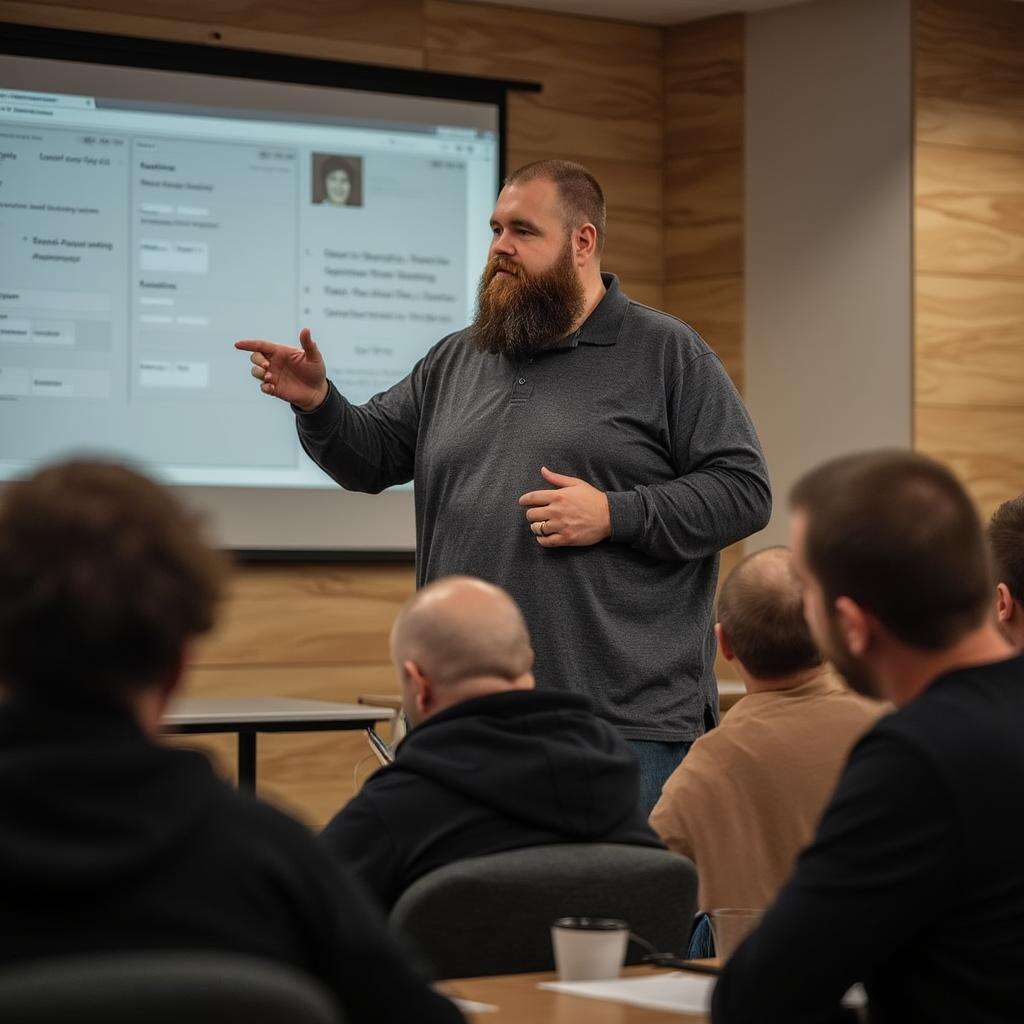
Every advisor runs the same call.
Homeowners hear a diagnosis before they hear a price.
More proposals get decided in the living room, and the ones that don’t are followed up on schedule instead of forgotten.
You stop running the big calls yourself at 8pm, because the sequence in your head finally lives in your team.
Who will be training your comfort advisors?
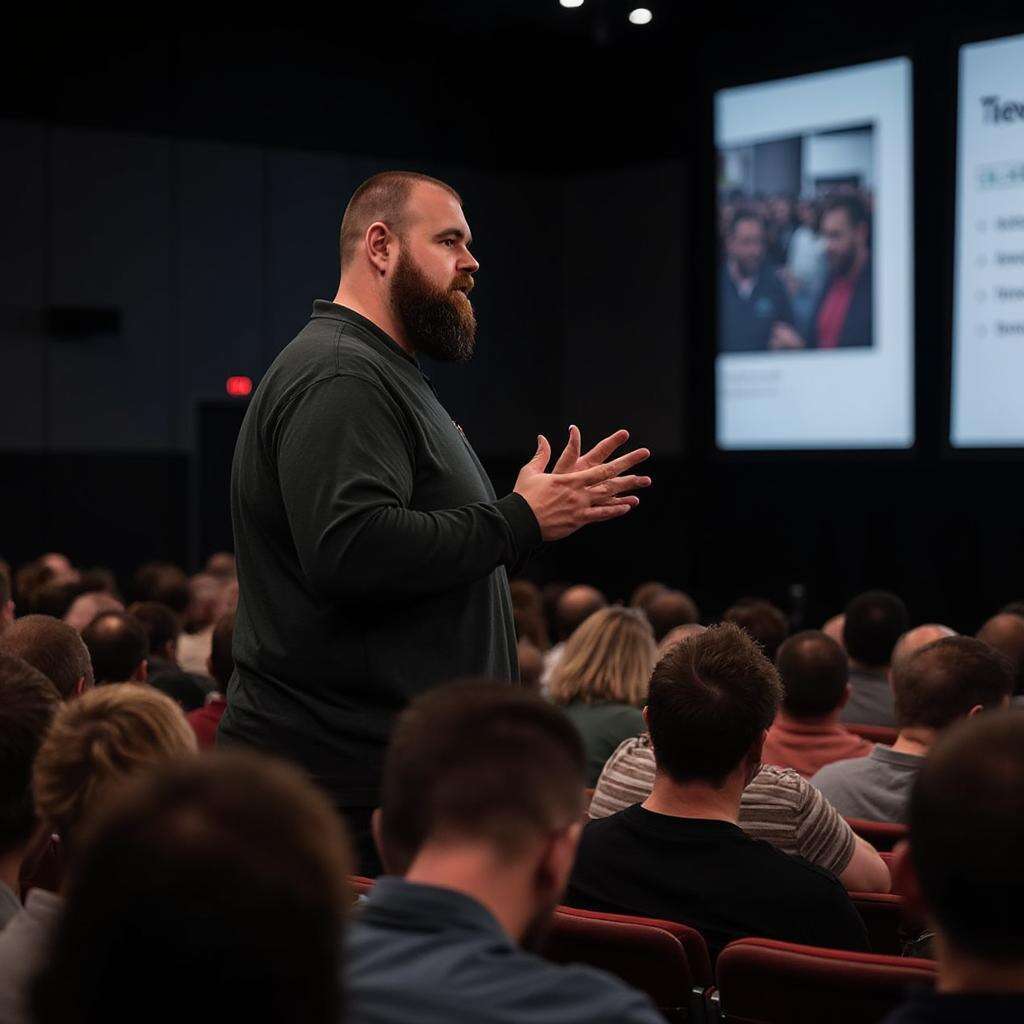
Shawn Derrick founded Legacy Sales Engineering after 25 years in sales, much of it in customers’ homes. He has trained and overseen sales teams that generated more than $500 million in revenue across solar, roofing, windows, home security and remodeling. The framework your advisors learn came out of appointments he ran himself: Solution Based Questions, the NEPQ approach, and Zig Ziglar’s rule that you get what you want by helping enough other people get what they want. Stop selling. Start solving.
Is HVAC sales training the right fit for your company?
It is probably a good fit if
- Two or more people run your replacement calls
- Your close rate sits under 40 percent, or swings widely from advisor to advisor
- Open proposals sit for more than a week before anyone follows up
- Your advisors discount to get the signature
It is not the right first move if
- The phone isn’t ringing. Fix lead flow first with our HVAC marketing, and we will say so on the call.
- You are the only one selling. Start with one-on-one coaching, then train the team you hire.
HVAC sales training questions owners ask before they book
What is HVAC comfort advisor sales training?
It teaches the people who run in-home replacement calls a repeatable conversation: diagnose first, present good, better and best, handle objections without discounting, and follow up on open proposals. Our version is delivered in your office and on live calls, not through a video course.
What is a good close rate for an HVAC comfort advisor?
Industry benchmarks put typical in-home replacement close rates between 30 and 50 percent, with top performers above 60. Referral appointments close higher than paid leads, so compare advisors on the same lead source before judging anyone.
How should an advisor handle "I'm getting other quotes"?
Welcome it, then give the homeowner a way to compare that doesn't come down to price alone: the load calculation, the ductwork, what's included and the warranty. The advisor who helps a homeowner compare bids fairly usually becomes the bid they trust.
Should advisors present the monthly payment or the total price?
Both, side by side, for every option. Homeowners who see the monthly number next to the total decide more often, and nobody feels tricked when the full price is in plain view.
Do you train HVAC teams outside Florida?
Yes. In-person training is concentrated in North Central Florida, and we travel for larger teams. Call reviews, role play and follow-up coaching run remotely for HVAC contractors anywhere in the US.
How much does HVAC sales training cost?
We price by engagement, not per seat, and we tell you the number on the first call. The evaluation call is free, and if training isn't the right first move, you will hear that on the call.
How long before close rates improve?
Most shops see movement within the first few weeks, because the biggest gains come from questions advisors simply weren't asking. Making the full sequence automatic on every call takes a couple of months of real appointments and coaching.
Let's find where your replacement calls are leaking
Thirty minutes, no pitch deck. We’ll look at your close rate, average ticket and open proposals and tell you plainly what we would fix first, even if the answer is that you don’t need us yet.
ask for Shawn. You can also email service@liftinglegacies.com. Stop Selling. Start Solving.
Not ready to talk? See how our sales training for contractors works.