
Dryer vent sales training
Dryer Vent Sales Training That Turns One Cleaning Into a Customer for Years
Dryer vent work is not a two-hour kitchen-table close, and training that pretends it is will make your techs sound like salesmen. The sale here is smaller and happens more often: the call that gets booked, the finding that gets explained, the repair the homeowner actually needs and the reminder they agree to for next year. We train your technicians and CSRs to do those four things well, the same way on every call.
Thirty minutes, no pitch deck. If training isn’t your problem, we’ll tell you.
Dryer vent sales training teaches the people who answer your phones and run your service visits one repeatable process: book on the first call, show the homeowner what you found with photos, recommend only the repairs the findings support, and put next year’s cleaning on the calendar before leaving. Legacy Sales Engineering trains dryer vent technicians and customer service representatives for companies in Florida and nationwide.
Why do good dryer vent technicians leave money and customers behind?

Most dryer vent companies do good work and explain it badly. The tech cleans the vent, finds a crushed plastic transition hose or a stuck exterior flap, mentions it on the way out and gets a polite no. The homeowner never saw the problem, so the repair sounded like an upsell. The National Fire Protection Association advises rigid or flexible metal venting and a yearly cleaning, and the U.S. Fire Administration found failure to clean was the leading factor in dryer fires. Your techs are finding real risks. They just are not showing them.
The office has the same problem one step earlier. A caller asks for a price, gets a number and hangs up to call someone cheaper, because nobody asked how long drying takes or when the vent was last cleaned. And almost nobody asks for next year. Every customer who is not reminded is a customer you will pay to find again. None of that is a people problem. It is a process, and a process can be taught.
Sources: U.S. Fire Administration, Clothes Dryer Fires in Residential Buildings (2008 to 2010 data); NFPA, Home Fires Involving Clothes Dryers and Washing Machines (2010 to 2014 annual averages); Invoca home services call data (2024).
What does dryer vent sales training teach?
Our seven-step framework is the same sequence we teach every trade, rewritten for a short service visit instead of a long appointment. The steps are smaller, but the order still matters, because each one earns the right to the next.
We also train your team to read who they are talking to. The property manager wants a clean report for the file, the busy parent wants it done before pickup, and the retiree wants to understand every photo. Same visit, different pace. See the four buyer types, and see our dryer vent marketing page for the lead side.
01Answer and book on the first call
CSRs ask three quick questions (how long drying takes, when it was last cleaned, where the vent exits) before quoting, then book a time instead of leaving the caller to think about it. That is also where our lead engagement work starts.
02Confirm the visit and set expectations
A text with the technician's name and photo, what the visit includes, and a line that the tech will show the homeowner anything they find. No surprises at the door.
03Start with what the homeowner noticed
Two minutes at the door: the long drying times, the hot laundry room, the lint by the outside flap. What the homeowner noticed is what they care about.
04Inspect with photos, then show them
Before and after pictures of the lint, the crushed transition hose, the stuck flap or the bird nest, shown on the phone before any recommendation. Homeowners who see it believe it.
05Recommend only what the findings support
Explain what you found, why it matters, and what fixing it costs, with the option to leave it. An honest no today keeps a customer for years. A pushed repair loses one.
06Put next year on the calendar before leaving
The National Fire Protection Association recommends a yearly vent cleaning, so asking is a service, not a pitch. The tech offers the reminder or the plan and books it on the spot.
07Close the loop the same day
Photos and invoice by text, a review request, and the reminder saved in the CRM so next year does not depend on anyone's memory.
Why is dryer vent sales different from in-home sales training?
The whole sale takes minutes, not hours
A solar or window appointment can run two hours with a long close at the end. A dryer vent visit is a short service call where the customer already said yes to the cleaning. Your tech does not need closing techniques. They need a clear way to explain findings, a fair way to offer repairs and the habit of asking for next year. That is what we train, and we will not pretend it is anything bigger.
The value is in the lifetime, not the ticket
One cleaning is a small ticket. A customer who books every year, fixes the vent properly the first time and refers two neighbors is worth many times that. Training that pushes for the biggest possible ticket on one visit costs you that lifetime. Training that earns trust on the first visit builds it.
What should your CSRs and technicians each own?
CSRs own the booking and the reminder
The person on the phone decides whether a caller books or shops. We train CSRs to ask before they quote, to explain what the visit includes, and to book the time on the call. They also own the reminder list, so every customer due this month gets a call or a text, and rebooking takes one tap.
Technicians own the findings and the trust
The tech is the only person the homeowner meets. We train them to show before they tell, to explain in plain language, and to offer repairs as options with prices, not as warnings. If you are still the one running every call yourself, one-on-one coaching may be the better place to start.
How is this different from a technician sales course?
Plenty of good programs exist, and some companies are well served by a course or a video library. Here is the honest difference, so you can pick the right fit.
| Legacy Sales Engineering | Typical technician sales course | |
|---|---|---|
| Where training happens | Your office, ride-alongs and recorded calls | Video library, webinars or a hotel ballroom |
| Whose words | Your services, prices, photos and customer questions | Generic scripts written for every trade |
| What it covers | Booking calls, on-site findings, honest repairs and annual reminders | Mostly closing techniques for big tickets |
| How long we stay | Until booking and rebooking rates hold | One event, then you are on your own |
| Pricing | By engagement, number on the first call | Per-seat licenses or annual dues |
| Straight answers | We tell you if you do not need us yet | Everyone is a fit |
How does a dryer vent sales training engagement work?
We listen, ride along and get your baseline
It starts with a free thirty-minute evaluation call, then recorded calls and ride-alongs. We track answer rate, booking rate, repairs offered and accepted, reviews, and how many customers agree to next year. You see the numbers before anything changes.
We install the process in your words
The steps stay the same. The wording is yours: your services, your prices, your photos and the questions your customers actually ask. We role play them with CSRs and techs until they sound natural, not scripted.
We coach on live calls until it holds
We review recordings and ride along, then fix the one habit that costs the most, then the next one. When the process survives a busy Monday and a skeptical homeowner, it belongs to your team.
What does it cost to leave your process alone?
Here is an illustrative example, not a client result. Take a company that cleans 100 vents a month at an example ticket of $150. If a reminder habit brings 50 of those homes back next year instead of 15, that is 35 more visits a month, about $5,250 in monthly revenue, before counting a single repair and without buying a new lead. Leave it alone and that money leaves quietly, one forgotten customer at a time.
What it looks like done right
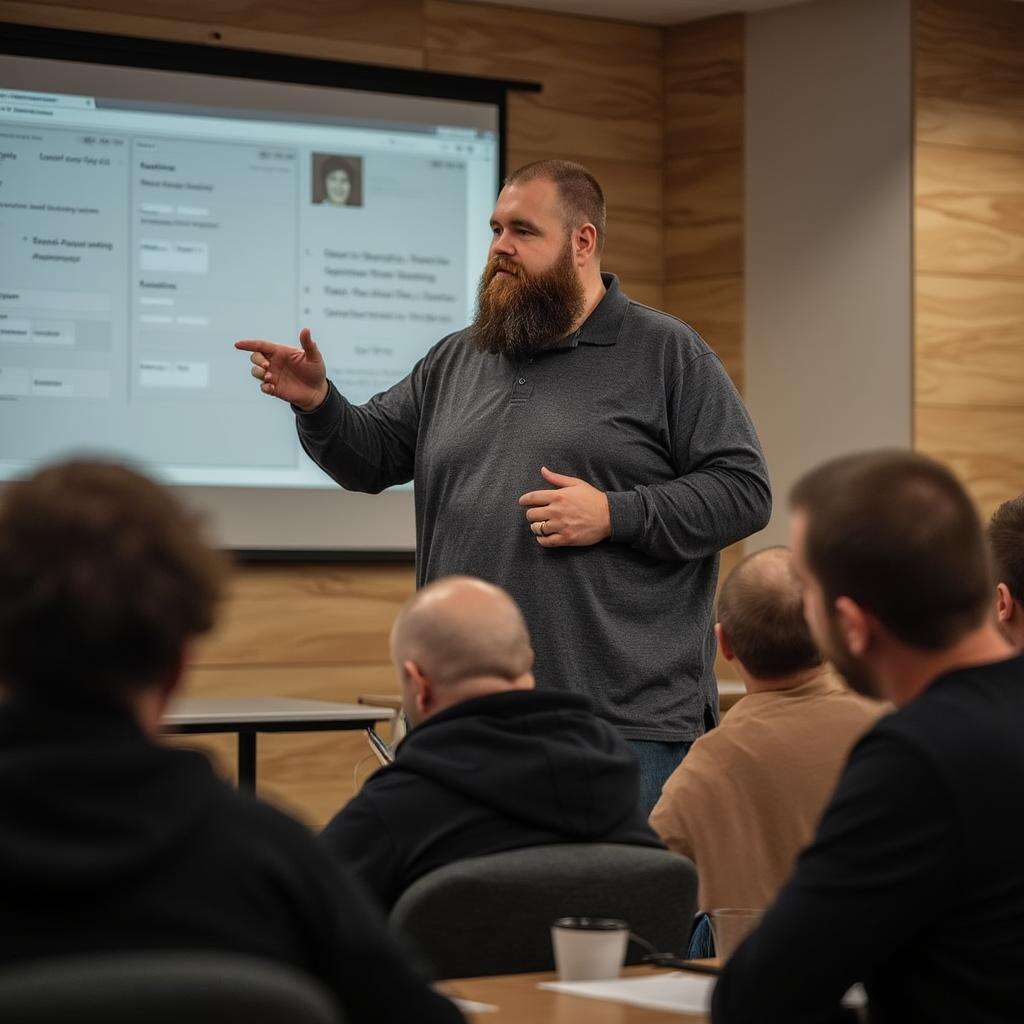
Callers get booked on the first call instead of shopping.
Homeowners see the problem before they hear the price.
Repairs get accepted because they were shown, not pushed.
Most customers leave with next year already on the calendar.
Who will be training your technicians and CSRs?
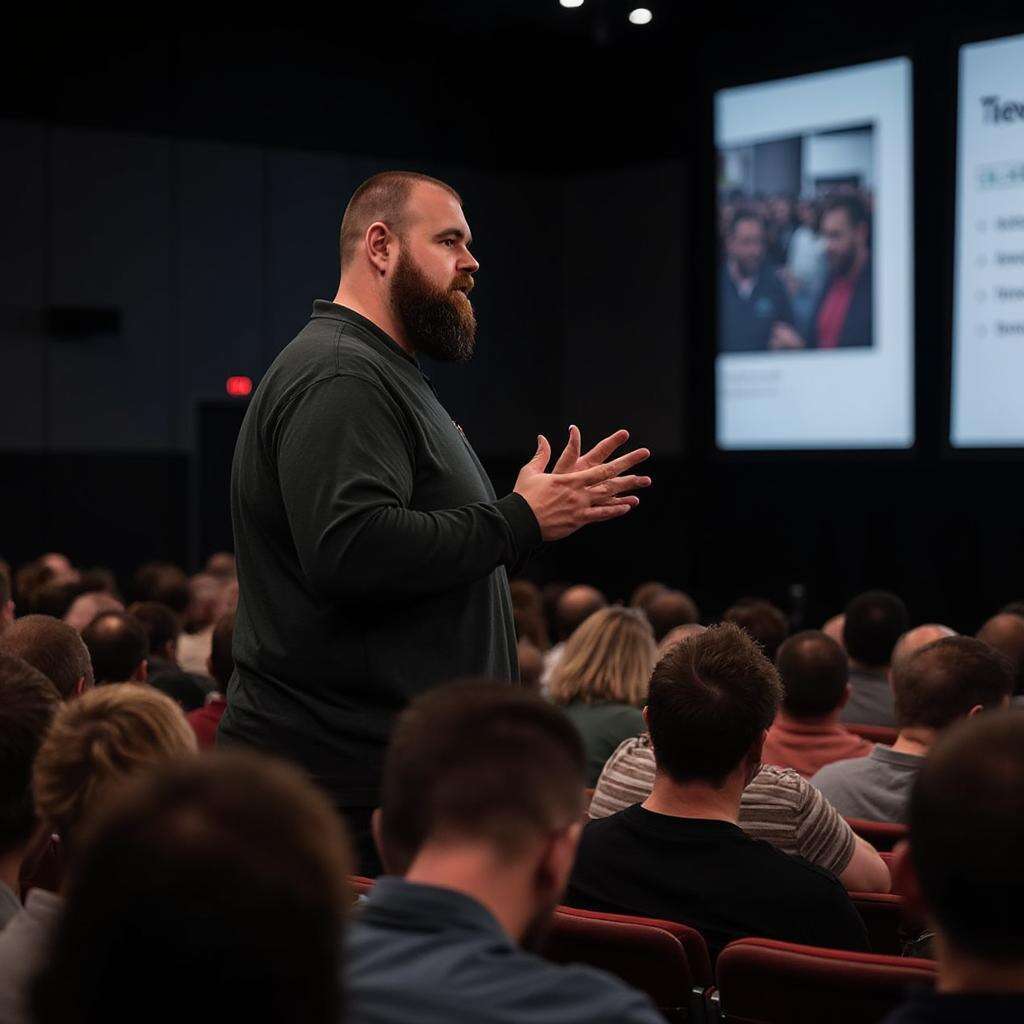
Shawn Derrick founded Legacy Sales Engineering after 25 years in sales, much of it in customers’ homes. He has trained and overseen sales teams that generated more than $500 million in revenue across solar, roofing, windows, home security and remodeling. The framework your team learns came out of appointments he ran himself: Solution Based Questions, the NEPQ approach, and Zig Ziglar’s rule that you get what you want by helping enough other people get what they want. For a dryer vent company that framework gets shorter, but the respect for the customer stays the same. Stop selling. Start solving.
Is dryer vent sales training the right fit for your company?
It is probably a good fit if
- Two or more people answer phones or run service visits
- Callers ask for a price and then do not book
- Techs find problems but repairs rarely get approved
- Few customers book again the next year
It is not the right first move if
- The phone isn’t ringing. Fix lead flow first with our dryer vent marketing, and we will say so on the call.
- You are the only one running calls. Start with one-on-one coaching, then train the team you hire.
Dryer vent sales training questions owners ask before they book
What is dryer vent sales training?
It teaches the people who answer your phones and run your service visits a repeatable process: book on the first call, show findings with photos, recommend only what the findings support, and schedule next year before leaving. Ours is delivered on your real calls and visits, not through a video course.
Is this high-pressure upselling?
No. The opposite. We train techs to show the homeowner what they found, explain it plainly and offer repairs as options with prices, including the option to leave it. Pushed repairs lose customers and reviews. Repairs that were shown and understood get approved and keep the customer.
Do you train CSRs as well as technicians?
Yes, and often first. The booking call decides whether a caller books or shops around, and the reminder list decides whether they come back. We train CSRs on both, then train techs on the visit, so the customer hears one consistent company from the first call to next year.
How should a CSR handle "How much do you charge?"
Answer it, but ask first. Two or three quick questions about drying time, the last cleaning and where the vent exits let the CSR give an honest range and show the company knows its work. Then book a time on the call instead of leaving the caller to compare prices.
Do you train dryer vent teams outside Florida?
Yes. In-person training is concentrated in North Central Florida, and we travel for larger teams. Call reviews, role play and follow-up coaching run remotely for dryer vent and home safety companies anywhere in the US. Recorded calls and short ride-along videos give us enough to coach from, wherever your team works.
How much does dryer vent sales training cost?
We price by engagement, not per seat, and we tell you the number on the first call. The price depends on how many CSRs and technicians you have and how much ride-along time the team needs. The evaluation call is free, and if training isn't the right first move, you will hear that on the call.
How long before booking and rebooking rates improve?
Booking on the first call often improves within a few weeks, because the biggest gains come from questions CSRs simply were not asking. Rebooking takes longer to show up, since it is measured when customers come due next year, but you can see right away how many customers agree to next year before the tech leaves.
Let's find where your calls and customers are leaking
Thirty minutes, no pitch deck. We’ll look at your booking rate, repairs offered and accepted, and how many customers come back, and tell you plainly what we would fix first, even if the answer is that you don’t need us yet.
ask for Shawn. You can also email service@liftinglegacies.com. Stop Selling. Start Solving.
Not ready to talk? See how our sales training for contractors works.