
Chimney, fireplace and gas sales training
Chimney and Fireplace Sales Training That Turns Inspections Into Approved Work
Your technicians can read a camera scan, spot a cracked flue tile and size a liner in their heads. What nobody taught them is how to explain it to a homeowner who only called for a sweep. That conversation decides whether a finding becomes an approved repair or a line on a ticket nobody reads. This training fixes that part, honestly, the same way in every home.
Thirty minutes, no pitch deck. If training isn’t your problem, we’ll tell you.
Chimney and fireplace sales training teaches the technicians, office staff and install consultants in a chimney, fireplace and gas company one repeatable way to talk with homeowners: book the right visit, show what the inspection found, explain the safety reason in plain language, present repair and install options honestly and follow up on every open estimate. Legacy Sales Engineering delivers it on real appointments, in Florida and nationwide.
Why do chimney inspections find the work and still lose the job?

In this trade the sale rarely starts as a sale. It starts with a sweep or an inspection, often booked on price, and the technician finds something: a damaged liner, a failing damper, missing mortar, a gas log set that should be replaced. Then the technician has about ten minutes to explain it to a homeowner who expected a routine visit. Say it too softly and the homeowner waits. Say it like a scare tactic and they stop trusting you. Either way the repair goes unapproved.
The stakes are real, which is why the conversation has to be honest. The U.S. Fire Administration found that about half of residential heating fires were confined to the chimney or flue. Homeowners deserve a straight explanation with photos, not pressure. Inside most chimney companies, though, the owner or one senior technician sells the big repairs and installs, and everyone else writes notes. That is a process problem, and a process can be taught.
Sources: U.S. Fire Administration, Heating Fires in Residential Buildings (2017 to 2019); NFPA Home Heating Fires report (2019 to 2023 annual average); Invoca home services call data (2024).
What does chimney and fireplace sales training teach?
Our seven-step framework is the same sequence we teach every trade in our sales training for contractors, rewritten for a chimney, fireplace and gas visit. The order matters more than any single line, because each step earns the right to the next.
We also teach technicians to read which kind of buyer is standing at the hearth and change pace to match. The homeowner who wants the code reference and the one who just wants to use the fireplace this weekend need the same repair explained two different ways. See the four buyer types. If the phones are the problem, start with our chimney and fireplace marketing.
01Book the right visit
The office asks what the homeowner has noticed, confirms a decision maker will be home and sends the technician's name and photo before arrival. A sweep booked with context becomes a real conversation. More on one-legger appointments.
02Earn trust before the drop cloth goes down
Two minutes of questions first: how often they burn, what fuel they use, any smoke or odor, when the system was last inspected and how long they plan to stay in the house.
03Diagnose with Solution Based Questions
Find what the homeowner actually cares about, whether that is safety for the kids, a fireplace they want to use for the holidays or a home sale next year, before you say a word about liners or inserts.
04Show the inspection, do not describe it
Walk them through the camera footage and photos on a tablet: the cracked tile, the gap in the mortar, the creosote buildup. Homeowners who see their own flue trust the recommendation.
05Present options honestly, safety first
Separate what must be fixed before the next fire from what can wait, tie each option to what they told you, and show the monthly payment next to the total on larger installs. See high-ticket home service sales.
06Ask for the decision, then stop talking
The silence after the number is where technicians start offering to do half the job or come back next year.
07Follow up on every finding with a system
A same-day recap with photos, a scheduled call, and a cadence in the CRM so no repair depends on somebody's memory. That is our lead engagement work.
Why is the inspection the real sales appointment in this trade?
The technician is the salesperson
Most chimney companies do not have a separate sales team for repairs. The technician who sweeps the flue is the only person the homeowner meets, so the technician's explanation is the sales presentation whether anyone calls it that or not. We train technicians to explain findings clearly and confidently without sounding like a salesperson, because a homeowner who understands the problem approves the repair on their own.
Honesty is the close
Chimney and gas work carries real safety stakes, and homeowners have heard stories about companies that invent problems. The fastest way to lose a job, and a review, is to exaggerate. We teach technicians to show the evidence, separate urgent from optional and put the recommendation in writing. That approach closes more work and protects your reputation in every home you enter.
How is technician training different from fireplace and insert install sales?
Two conversations, one company
A technician at the hearth has ten minutes and a homeowner who expected a routine visit. An install consultant selling a gas insert or a new fireplace has a planned appointment and a homeowner comparing looks, heat output and price, often with a spouse who wants to see options. We train both, and we train the handoff between them, so an inspection finding becomes a scheduled install consultation instead of a brochure left on the counter.
The office sets up both
We bring your office staff in too. The booking call decides whether the homeowner expects a quick sweep or a real inspection, whether the right person is home and whether your technician arrives with any context. In the fall rush, the way the office handles a three-week wait decides who keeps the customer. If you are still the only one selling repairs and installs, one-on-one coaching may be the better place to start.
How is this different from a generic sales course?
Plenty of good programs exist, and some companies are well served by a course or a video library. Here is the honest difference, so you can pick the right fit.
| Legacy Sales Engineering | Typical sales course | |
|---|---|---|
| Where training happens | Your shop, ride-alongs and live service visits | Video library, webinars or a hotel ballroom |
| Whose words | Your liners, inserts, warranties, prices and objections | Generic scripts written for every trade |
| Who gets trained | Technicians, office staff and install consultants | Only the people with sales in their title |
| How safety is handled | Evidence, photos and urgent versus optional | Pressure closes that cost you trust |
| Pricing | By engagement, number on the first call | Per-seat licenses or annual dues |
| Straight answers | We tell you if you do not need us yet | Everyone is a fit |
How does a chimney and fireplace sales training engagement work?
We ride along and get your baseline
It starts with a free thirty-minute evaluation call, then ride-alongs and recorded visits. We track inspections run, findings written, repairs and installs approved, average ticket and how long open estimates sit. You see the numbers before anything changes.
We install the sequence in your language
The seven steps stay the same. The wording is yours: your inspection process, liner and insert lines, warranties, financing and the objections your technicians actually hear. We role play them until they come out in your team's own words.
We coach on live visits until it holds
We ride along, review recordings and fix the one habit that costs the most, then the next one. When the sequence survives the fall rush and a homeowner who only wanted a sweep, it belongs to your team.
What does it cost to leave your chimney sales process alone?
Nothing dramatic happens, and that is the problem. Take an example company whose technicians write 40 repair or install recommendations a month at an example average of $2,500. Moving approvals from 30 to 45 percent is six more jobs and about $15,000 in monthly revenue from homes you were already standing in. These numbers are illustrative, not a client result. Leave it alone and the findings keep going home in a folder while the next company gets the call.
What it looks like done right
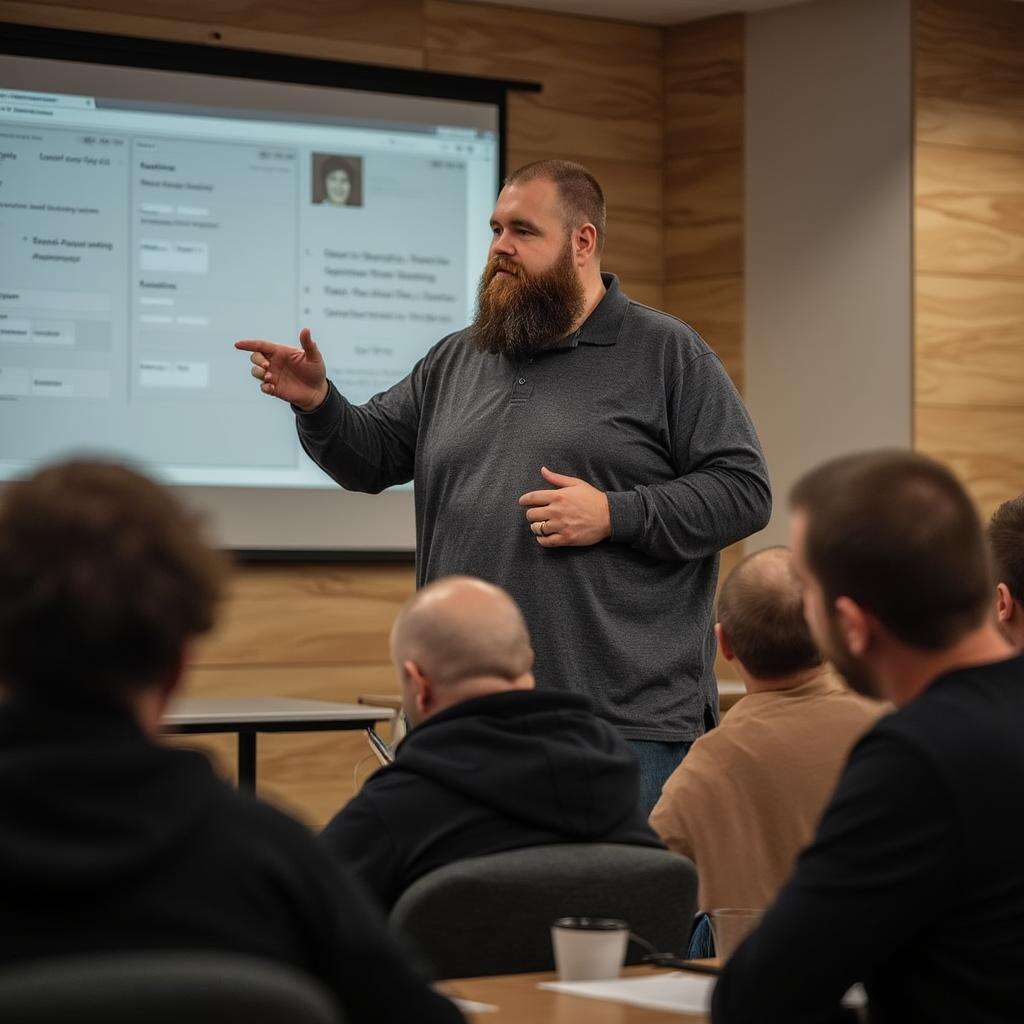
Every technician explains findings the same honest way.
Homeowners see their own flue before they see a price.
More repairs get approved on the spot, and the rest are followed up on schedule.
Repairs and installs keep the calendar full after sweep season ends.
Who will be training your chimney and fireplace team?
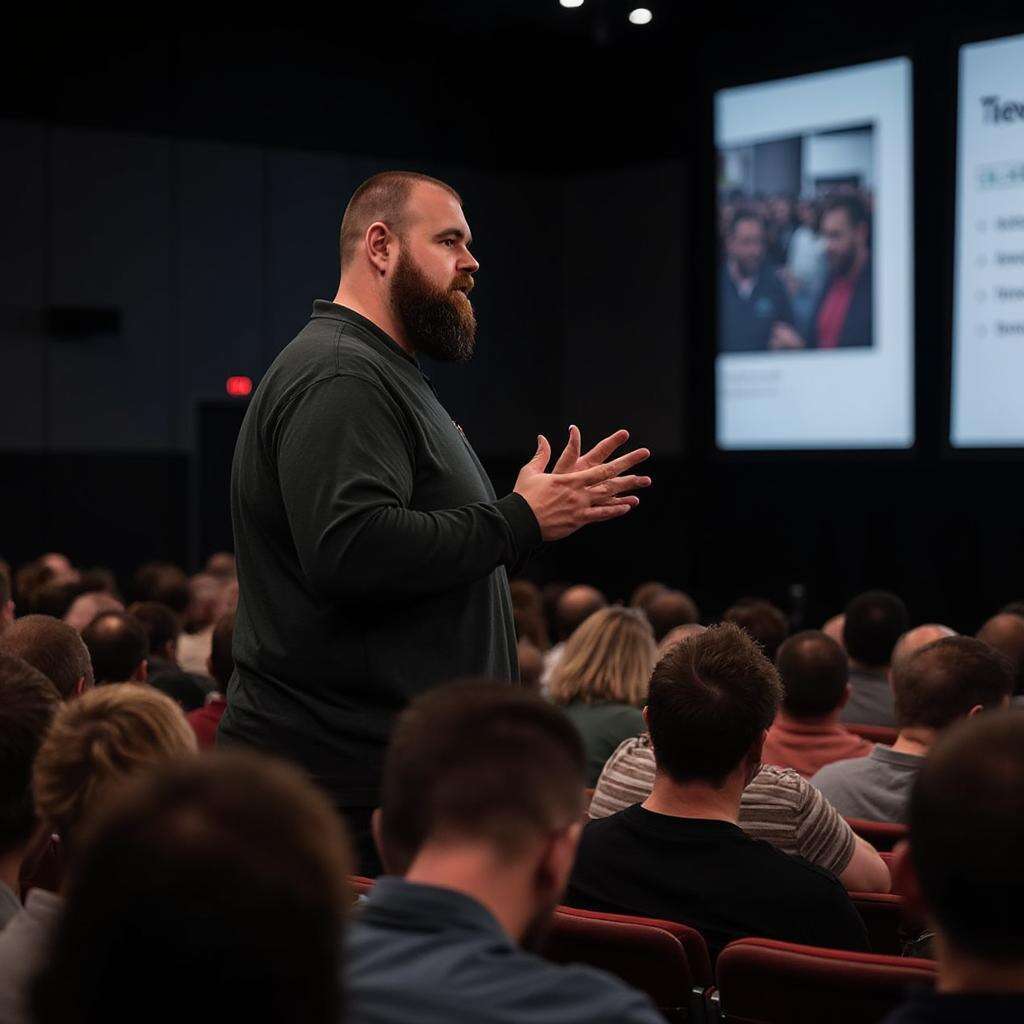
Shawn Derrick founded Legacy Sales Engineering after 25 years in sales, much of it in customers’ homes. He has trained and overseen sales teams that generated more than $500 million in revenue across solar, roofing, windows, home security and remodeling. The framework your team learns came out of appointments he ran himself: Solution Based Questions, the NEPQ approach, and Zig Ziglar’s rule that you get what you want by helping enough other people get what they want. Stop selling. Start solving.
Is chimney and fireplace sales training the right fit for your company?
It is probably a good fit if
- Two or more technicians run inspections or service calls
- Inspection findings often go unapproved or unanswered
- Only the owner or one senior technician sells relining and installs
- Open repair estimates sit for more than a week before anyone follows up
It is not the right first move if
- The phone isn’t ringing. Fix lead flow first with our chimney and fireplace marketing, and we will say so on the call.
- You are the only one selling. Start with one-on-one coaching, then train the team you hire.
Chimney and fireplace sales training questions owners ask before they book
What is chimney and fireplace sales training?
It teaches the technicians, office staff and install consultants in a chimney, fireplace and gas company a repeatable way to talk with homeowners: book the right visit, show inspection findings, explain the safety reason plainly, present options honestly and follow up on open estimates. Ours is delivered in your shop and on live visits, not through a video course.
Will sales training make our technicians sound pushy?
It should do the opposite. Pushy comes from technicians who have no process and fall back on pressure or fear. We teach them to show evidence, separate what is urgent from what can wait and let the homeowner decide. Homeowners approve more work from a technician they trust.
How should a technician handle "we only wanted a sweep"?
Agree, finish the sweep, then show what the inspection found with photos and explain what it means for safety and use. Put the recommendation in writing with a clear urgent or optional label. Many homeowners approve the work once they see it, and the rest get a scheduled follow-up.
Do you train office staff and CSRs too?
Yes. The booking call sets up the whole visit: whether the homeowner expects an inspection, whether the right person is home and how a long wait during the fall rush gets handled. We train the office on those calls alongside the technicians, so the homeowner hears one consistent company.
How much does chimney and fireplace sales training cost?
We price by engagement, not per seat, and we tell you the number on the first call. The evaluation call is free, and if training isn't the right first move, you will hear that on the call. Most engagements combine on-site training, ride-alongs and follow-up coaching, sized to your team.
When is the best time of year to train a chimney team?
Late spring and summer, when the schedule has room for ride-alongs and role play and the team can practice on repair and install appointments before the fall rush. We can start any time, but a sequence learned before the busy season holds up much better during it.
Do you train chimney companies outside Florida?
Yes. In-person training is concentrated in North Central Florida, and we travel for larger teams. Ride-along reviews, role play and follow-up coaching run remotely for chimney, fireplace and gas companies anywhere in the US, and we schedule around your busy season.
Let's find where your inspection findings are leaking
Thirty minutes, no pitch deck. We’ll look at your inspections, approval rate on repairs and installs, average ticket and open estimates and tell you plainly what we would fix first, even if the answer is that you don’t need us yet.
ask for Shawn. You can also email service@liftinglegacies.com. Stop Selling. Start Solving.
Not ready to talk? See how our sales training for contractors works.