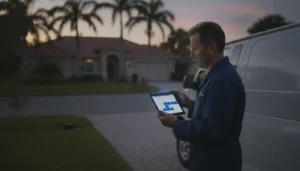
A roofing crew in Ocala once showed me their phone setup with pride. They’d just switched to RingCentral, paid for the premium tier, and figured the hard part was done. Three weeks later they discovered forty missed calls sitting in a queue nobody checked. Those were estimate requests, not spam. That’s the pattern we see across the trades — the tool gets installed, but nobody rebuilds the process around it.
After twenty-five years selling water filtration, solar, windows, and remodels before founding Legacy Sales Engineering, I’ve watched contractors treat phone systems like a checkbox instead of a sales tool. RingCentral is a solid cloud phone system, but it only pays off when it’s configured for how home service businesses actually sell. Here are the myths that quietly cost jobs, and what to do instead.
1. "Installing RingCentral Fixes Our Missed-Call Problem"
Most contractors assume the software alone solves missed calls. It doesn’t. RingCentral gives you routing rules, but somebody still has to design them around your crew’s actual schedule — who’s on a roof, who’s driving, who’s free at lunch.
Without that setup, calls ring through to a tech covered in insulation who can’t answer, then roll to voicemail. The lead calls the next company on Google. According to the Federal Communications Commission, VoIP systems route calls based on rules you define, not automatically by intent — the intelligence has to be built in.
Instead, map out your team’s real availability before go-live, assign a dedicated intake person during business hours, and set after-hours calls to route to a service that can at least capture details. A properly tuned managed business phone setup closes this gap for good.
2. "Voicemail Is Good Enough for After-Hours Calls"
A lot of owners believe a voicemail greeting is an acceptable backstop. It isn’t, especially for emergency trades like pressure washing after storms or HVAC breakdowns in July.
Homeowners calling after hours are usually comparing three or four companies in real time. The first one that answers — even just to schedule a callback — usually wins the job. Voicemail loses that race every time.
The fix is a live answering flow or a structured callback system tied into your lead engagement process, so after-hours calls still get a human response within minutes, not hours.
3. "Our Techs Will Just Remember to Log Calls"
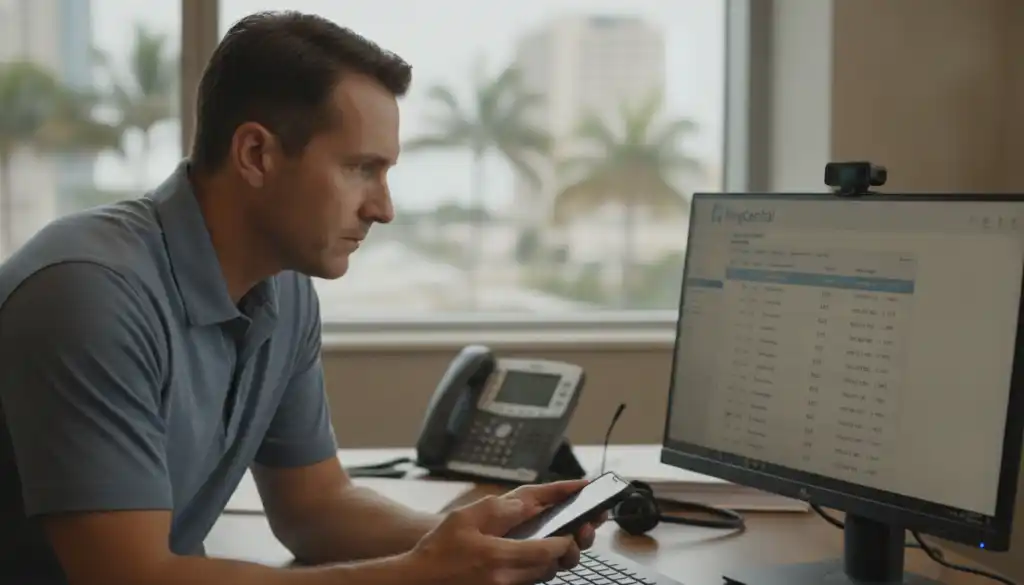
Some crews rely on memory instead of a system. Techs are busy, trucks are loud, and details get lost between the job site and the office. Without logged calls, there’s no record of who called, what they wanted, or whether anyone followed up.
That gap shows up later as a lost lead nobody can explain. The better approach pairs your phone platform with a CRM so every call, text, and voicemail lands in one place automatically. Our CustomCRM build does exactly this — it syncs call data so follow-up isn’t optional, it’s scheduled.
4. "One Generic Greeting Works for Every Caller"
A single "thanks for calling" greeting treats a $200 dryer vent cleaning the same as a $40,000 remodel. That’s a mistake. Buyers calling about different services have different urgency levels and different questions, and generic greetings miss the chance to route them faster.
Split your call tree by service line instead — flooring, roofing, pools, HVAC — so callers reach someone who speaks their language immediately. This mirrors the approach in our buyer types framework: different buyers need different conversations from the first ring.
5. "Compliance Doesn’t Apply to Our Phone System"
Many contractors assume call recording and texting rules only apply to call centers. They don’t. The Federal Trade Commission outlines consent and disclosure requirements that apply to any business calling or texting customers, including follow-up calls from a job estimate.
Skipping this isn’t just risky — it can trigger complaints that damage your online reputation. Make sure your RingCentral configuration includes call recording disclosures where required, and keep opt-in records for text follow-ups. Pairing this with solid reputation management keeps both your compliance and your reviews in good shape.

6. "More Features Automatically Mean More Closed Jobs"
Owners sometimes upgrade to the priciest RingCentral tier expecting it to sell for them. Features like call analytics and SMS campaigns are useful, but they don’t replace a trained intake process. A feature nobody uses doesn’t move the needle.
The real unlock is speed. According to the U.S. Small Business Administration, responsiveness is one of the top factors customers cite when choosing a service provider. A fast, well-trained answer beats a fancy dashboard every time. Our speed-to-lead approach focuses on exactly this — closing the gap between inquiry and human response.
7. "Phone Setup Is a One-Time Project"
Finally, some contractors set up their routing once and never revisit it. Seasons change, crews change, and call volume shifts — a configuration built for spring roofing leads in Orlando won’t serve a slow winter month the same way.
Treat your phone system like your marketing: review it quarterly. Check which routes are actually converting, where calls are dropping, and whether your team in Gainesville or Daytona Beach needs a different setup than a crew in Tampa. A quick audit alongside your sales training for contractors program usually surfaces easy wins.
A Quick Checklist Before You Trust Your Setup
Before assuming your phone system is pulling its weight, run through this:
- Call routing matches your crew’s real daily schedule
- After-hours calls reach a live response option, not just voicemail
- Every call and text logs automatically into your CRM
- Service lines route to staff trained on that specific trade
- Call recording disclosures and texting consent are documented
- Intake staff are trained on speed, not just availability
- Routing gets reviewed at least once a quarter
A cloud phone system like RingCentral can genuinely help a growing contractor business in Ocala, Jacksonville, Orlando, or Tampa — but only when someone builds the process around it instead of assuming the software will do the selling. If your current setup feels more like a liability than an asset, it’s worth a second look before busy season hits. Reach out to Legacy Sales Engineering for a free phone system review and see what’s actually getting missed.